



Kidney Stones vs Urinary Tract Infection (UTI): How to Tell the Difference
Pain while urinating, frequent trips to the bathroom, and blood in the urine can occur in both kidney stones and urinary tract infections (UTIs). Because these conditions share several symptoms, many people struggle to identify the real cause. However, the treatment for each condition is completely different. Therefore, getting the correct diagnosis is essential.
Although both problems affect the urinary system, they develop for different reasons. Kidney stones form when minerals build up inside the kidneys, whereas a UTI develops because bacteria infect the urinary tract. Recognizing the warning signs early can help prevent serious complications and ensure timely treatment.
This guide explains the differences between kidney stones and UTIs, including their symptoms, causes, diagnosis, treatment, and when you should consult a urologist.
What Are Kidney Stones?
Kidney stones are hard deposits made of minerals and salts that develop inside the kidneys. Over time, these deposits can grow larger and move into the ureter, causing severe pain and blockage.
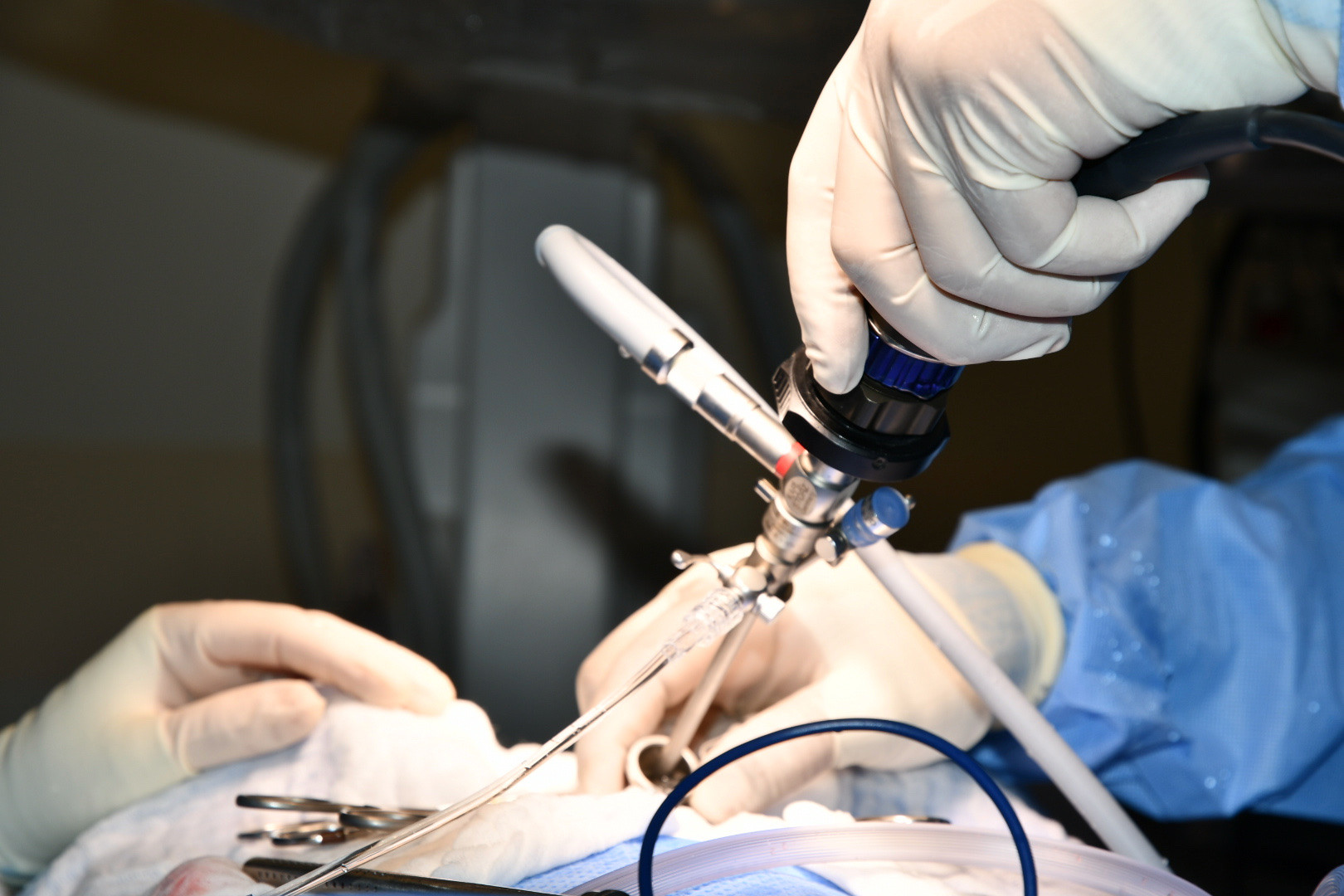
Depending on their size, some stones pass naturally through urine. Larger stones, however, often require medical treatment such as medication, ureteroscopy (URS), laser stone surgery, or PCNL.
What Is a Urinary Tract Infection (UTI)?
A urinary tract infection occurs when bacteria enter the urinary system and multiply. The infection may affect the bladder, urethra, ureters, or kidneys.
Most UTIs begin in the bladder. However, if left untreated, the infection can spread to the kidneys and become much more serious.
Fortunately, early diagnosis and antibiotics usually treat uncomplicated UTIs successfully.
Kidney Stones vs UTI: Key Differences
Although some symptoms overlap, several important differences help doctors identify the condition.
| Feature | Kidney Stones | Urinary Tract Infection |
|---|---|---|
| Main Cause | Mineral deposits | Bacterial infection |
| Pain | Severe, sharp, and comes in waves | Burning during urination |
| Fever | Usually absent unless infection develops | Common, especially in severe infections |
| Blood in Urine | Common | May occur |
| Urine Flow | May become blocked | Usually remains normal |
| Treatment | Medication or surgery | Antibiotics |
Therefore, a medical examination is necessary to confirm the diagnosis.
Symptoms of Kidney Stones
Kidney stones often produce sudden and intense symptoms.
Common signs include:
- Severe pain in the back or side
- Pain that radiates to the lower abdomen or groin
- Blood in the urine
- Nausea and vomiting
- Frequent urination
- Burning while urinating
- Difficulty passing urine
Moreover, the pain often comes and goes as the stone moves through the urinary tract.
Symptoms of a UTI
A urinary tract infection usually causes irritation during urination rather than severe flank pain.
Common symptoms include:
- Burning sensation while urinating
- Frequent urge to urinate
- Passing only small amounts of urine
- Cloudy or foul-smelling urine
- Lower abdominal discomfort
- Mild fever
If the infection reaches the kidneys, patients may also develop high fever, chills, back pain, and nausea.
What Causes Kidney Stones?
Several factors increase the risk of kidney stones.
These include:
- Drinking too little water
- High salt intake
- Family history
- Obesity
- Certain medications
- Diets high in animal protein
Additionally, people who have had kidney stones before are more likely to develop them again.
What Causes a UTI?
UTIs occur when bacteria enter the urinary tract.
Common risk factors include:
- Poor hydration
- Holding urine for long periods
- Diabetes
- Pregnancy
- Urinary blockage
- Poor personal hygiene
Furthermore, women are generally more likely to develop UTIs because of their shorter urethra.
How Are These Conditions Diagnosed?
Your urologist may recommend several tests to determine the exact cause of your symptoms.
These tests include:
- Medical history
- Physical examination
- Urine routine examination
- Urine culture
- Blood tests
- Ultrasound
- CT scan, if needed
Together, these investigations help your doctor select the most appropriate treatment.
Treatment for Kidney Stones
Treatment depends on the stone’s size and location.
Options include:
- Drinking plenty of water for very small stones
- Pain-relieving medicines
- Medicines that help pass the stone
- Ureteroscopy (URS)
- Laser stone surgery
- PCNL for larger stones
As a result, most patients recover well after receiving the appropriate treatment.
Treatment for a UTI
Doctors usually prescribe antibiotics to eliminate the infection.
In addition, patients should:
- Drink plenty of water.
- Complete the full course of antibiotics.
- Maintain proper hygiene.
- Avoid delaying urination.
Following these recommendations reduces the risk of recurrent infections.
When Should You See a Urologist?
You should consult a urologist immediately if you experience:
- Severe back or side pain
- Blood in the urine
- Fever with chills
- Persistent burning during urination
- Difficulty passing urine
- Recurrent urinary infections
Most importantly, seek emergency medical care if you cannot pass urine or develop severe pain with fever.
Can Kidney Stones and UTIs Occur Together?
Yes. In some cases, a kidney stone blocks urine flow and creates an environment where bacteria multiply. Consequently, patients may develop both conditions at the same time.
This combination requires prompt medical attention because it increases the risk of kidney infection and other complications.
Tips to Protect Your Urinary Health
Simple lifestyle habits help lower the risk of both kidney stones and UTIs.
Doctors recommend:
- Drink 2–3 litres of water daily.
- Limit excess salt intake.
- Eat a balanced diet.
- Maintain good personal hygiene.
- Avoid holding urine for long periods.
- Exercise regularly.
- Attend regular health check-ups.
Likewise, following your doctor’s advice after treatment helps reduce the chances of recurrence.
Why Choose Dr. Abdul Qadir Khan?
Dr. Abdul Qadir Khan is an experienced Advanced Laparoscopic & Urology Surgeon with expertise in diagnosing and treating kidney stones, urinary tract infections, and other complex urological conditions.
Why Patients Trust Dr. Abdul Qadir Khan
- 16+ Years of Experience
- 10,000+ Successful Surgeries
- Triple Fellowship in Laparoscopy, Urology & Endoscopy
- Advanced Kidney Stone and Urological Treatments
- Expertise in URS, PCNL, Laser Stone Surgery, and Endoscopic Procedures
- Modern Diagnostic Facilities
- Individualized Patient Care
At Samra Hospital, Yamuna Vihar, Delhi, patients receive comprehensive evaluation, accurate diagnosis, and advanced treatment tailored to their specific condition.
For more information, visit:
Website: https://laparoscopicsurgeondelhi.com/
Stay updated with expert health tips:
Facebook: https://www.facebook.com/profile.php?id=61583777460918
Instagram: https://www.instagram.com/drabdulqadirkhan_/
Frequently Asked Questions
Can a UTI feel like a kidney stone?
Yes. Both conditions can cause pain and urinary symptoms. However, kidney stones usually cause severe flank pain, whereas UTIs commonly cause burning during urination and frequent urination.
Can kidney stones cause a urinary infection?
Yes. A blocked urinary tract caused by a stone may increase the risk of infection.
Should I visit a doctor if I see blood in my urine?
Absolutely. Blood in the urine should always be evaluated by a qualified urologist.
Which condition is more painful?
Generally, kidney stones cause much more intense pain than uncomplicated UTIs.
Conclusion
Kidney stones and urinary tract infections often share similar symptoms, yet they require different treatments. Therefore, it is important not to rely on self-diagnosis. Instead, consult a qualified urologist for a proper evaluation.
Early diagnosis not only relieves symptoms but also helps prevent complications such as kidney damage, severe infections, and urinary obstruction. If you experience persistent urinary symptoms, seek medical care without delay.
Book Your Consultation
Dr. Abdul Qadir Khan
Advanced Laparoscopic & Urology Surgeon
📍 Samra Hospital
C-3/52-A, 53-A, Yamuna Vihar, Shahdara, Delhi – 110053
📞 +91 9910011414
🌐 Website: https://laparoscopicsurgeondelhi.com/
📘 Facebook: https://www.facebook.com/profile.php?id=61583777460918
📷 Instagram: https://www.instagram.com/drabdulqadirkhan_/