



Top 10 Warning Signs That You Should Visit a Urologist Immediately
Many people ignore urinary problems because they assume the symptoms will disappear on their own. However, delaying treatment can allow a minor condition to become a serious medical problem. Therefore, recognizing the early warning signs and seeking timely medical care can protect your kidneys, bladder, prostate, and overall urinary health.
A urologist specializes in diagnosing and treating conditions that affect the urinary tract in both men and women, as well as the male reproductive system. Fortunately, many urological conditions respond well to treatment when diagnosed early.
This guide explains the top 10 warning signs that indicate you should consult a urologist without delay.
What Does a Urologist Treat?
A urologist manages a wide range of urinary and reproductive health conditions.
These include:
- Kidney stones
- Urinary tract infections (UTIs)
- Enlarged prostate (BPH)
- Blood in the urine
- Bladder disorders
- Male infertility
- Hydrocele and varicocele
- Urinary blockage
- Kidney and bladder tumors
Because these conditions can affect people of all ages, regular evaluation is important whenever symptoms appear.
1. Blood in the Urine
Blood in the urine, also known as hematuria, should never be ignored.
Even if it appears only once, it may indicate:
- Kidney stones
- Urinary tract infection
- Bladder disease
- Kidney disease
- Prostate problems
Therefore, schedule a urological evaluation as soon as possible.
2. Severe Back or Side Pain
Sharp pain in the back, side, or lower abdomen often suggests a kidney stone.
The pain may:
- Come in waves
- Spread toward the groin
- Cause nausea or vomiting
Prompt treatment helps prevent urinary blockage and kidney damage.
3. Frequent or Painful Urination
Burning while passing urine or the frequent urge to urinate usually indicates an underlying urinary problem.
Possible causes include:
- UTI
- Bladder infection
- Enlarged prostate
- Bladder irritation
Early treatment usually prevents the infection from spreading.
4. Difficulty Passing Urine
Difficulty starting urination or a weak urine stream should always be evaluated.
This symptom may occur because of:
- Enlarged prostate
- Urethral stricture
- Bladder outlet obstruction
- Nerve-related disorders
Timely treatment often improves bladder function and reduces complications.
5. Repeated Urinary Tract Infections
Occasional UTIs are common. However, repeated infections require further investigation.
Recurring UTIs may indicate:
- Kidney stones
- Urinary blockage
- Structural abnormalities
- Chronic bladder problems
Consequently, your urologist may recommend additional imaging tests.
6. Swelling in the Scrotum
Swelling around the testicles may result from:
- Hydrocele
- Varicocele
- Infection
- Hernia
- Testicular conditions
Although some causes are harmless, persistent swelling always deserves medical evaluation.
7. Loss of Bladder Control
Accidental urine leakage or urinary incontinence affects both men and women.
Possible causes include:
- Weak pelvic floor muscles
- Enlarged prostate
- Neurological disorders
- Bladder dysfunction
Fortunately, several effective treatment options are available.
8. Pain During Sexual Activity
Persistent pain during ejaculation or sexual activity should not be ignored.
It may be associated with:
- Prostate disorders
- Infection
- Inflammation
- Urethral conditions
Early diagnosis improves treatment outcomes.
9. Male Fertility Problems
If pregnancy has not occurred after one year of regular unprotected intercourse, a urological evaluation is advisable.
Possible contributing factors include:
- Varicocele
- Hormonal disorders
- Low sperm count
- Blockages within the reproductive tract
Appropriate treatment may improve fertility in many cases.
10. Fever with Urinary Symptoms
A high fever accompanied by burning urination, severe back pain, or difficulty passing urine may indicate a serious kidney infection.
This combination requires immediate medical attention because untreated infections can spread rapidly.
How Does a Urologist Diagnose These Problems?
The diagnosis depends on your symptoms.
Your doctor may recommend:
- Medical history
- Physical examination
- Urine analysis
- Urine culture
- Blood tests
- Ultrasound
- CT scan
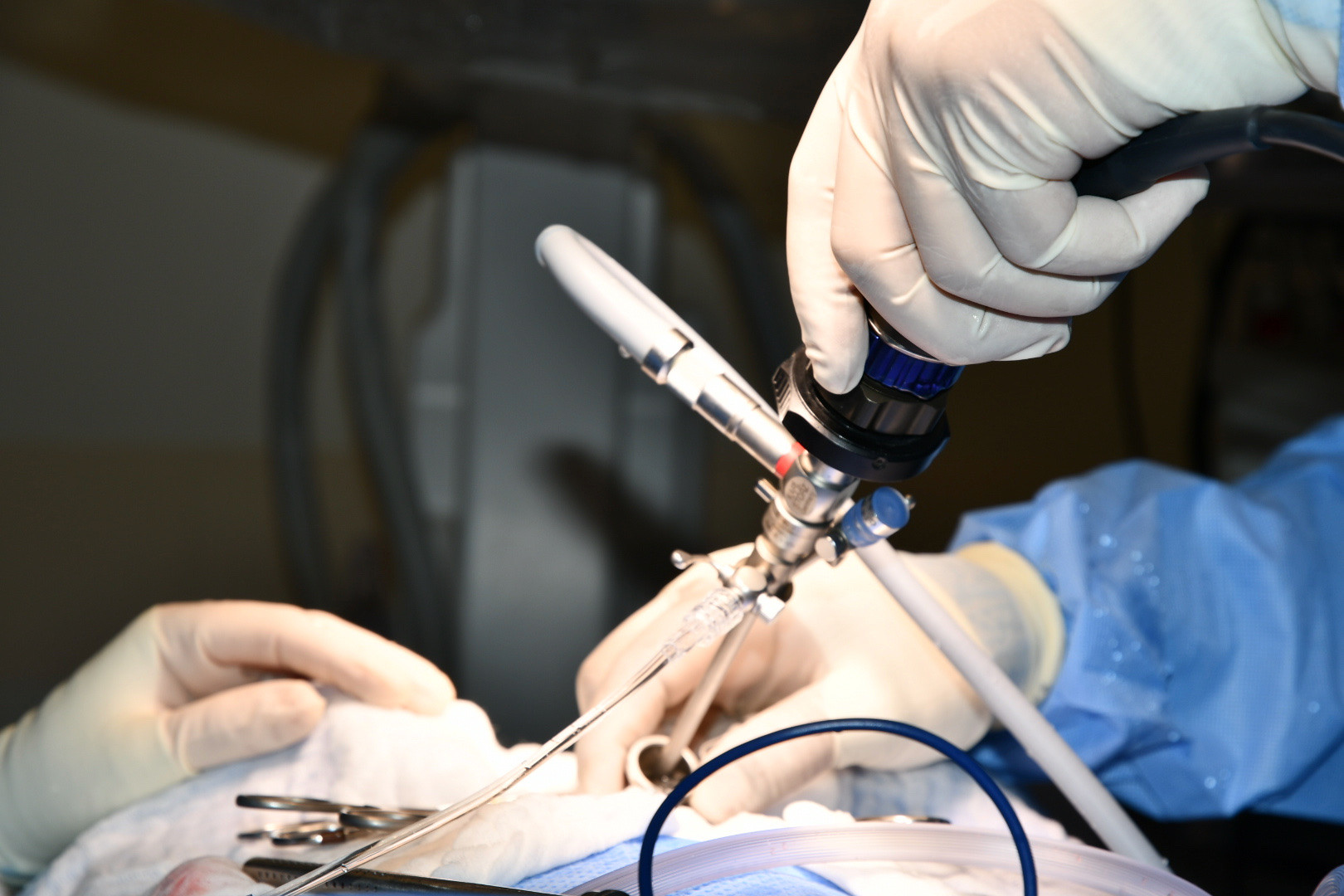
- Endoscopy when required
These investigations help identify the exact cause and guide treatment.
Tips to Maintain Good Urological Health
Healthy daily habits help reduce the risk of many urinary disorders.
Doctors recommend:
- Drink 2–3 litres of water daily.
- Avoid delaying urination.
- Maintain good personal hygiene.
- Limit excess salt intake.
- Eat a balanced diet.
- Exercise regularly.
- Attend routine health check-ups.
In addition, following your doctor’s advice after treatment helps prevent recurrence.
Why Early Diagnosis Matters
Seeking medical care early offers several benefits.
Patients often experience:
- Faster treatment
- Better recovery
- Lower complication rates
- Reduced risk of kidney damage
- Improved long-term urinary health
Therefore, never ignore persistent urinary symptoms.
Why Choose Dr. Abdul Qadir Khan?
Dr. Abdul Qadir Khan is a highly experienced Advanced Laparoscopic & Urology Surgeon specializing in advanced diagnosis and treatment of kidney, bladder, prostate, and urinary tract disorders.
Why Patients Trust Dr. Abdul Qadir Khan
- 16+ Years of Experience
- 10,000+ Successful Surgeries
- Triple Fellowship in Laparoscopy, Urology & Endoscopy
- Expertise in Kidney Stone, Prostate, and Endoscopic Procedures
- Modern Diagnostic Technology
- Personalized Treatment Plans
- Comprehensive Patient Care
At Samra Hospital, Yamuna Vihar, Delhi, patients receive expert evaluation, advanced treatment, and complete follow-up care for a wide range of urological conditions.
Learn more about available treatments:
Website: https://laparoscopicsurgeondelhi.com/
Stay informed with expert health tips:
Facebook: https://www.facebook.com/profile.php?id=61583777460918
Instagram: https://www.instagram.com/drabdulqadirkhan_/
Frequently Asked Questions
When should I visit a urologist?
You should consult a urologist if you experience blood in the urine, severe pain, repeated urinary infections, difficulty passing urine, or persistent urinary symptoms.
Can kidney stones cause blood in the urine?
Yes. Kidney stones commonly cause blood in the urine along with severe pain and urinary discomfort.
Do women also need a urologist?
Yes. Urologists treat urinary tract disorders in both men and women.
Are urinary symptoms always serious?
Not always. However, persistent or recurring symptoms should always be evaluated to identify the underlying cause.
Conclusion
Your urinary system plays a vital role in maintaining overall health. Although many urinary conditions begin with mild symptoms, delaying treatment can lead to serious complications. Therefore, recognizing these warning signs and consulting a qualified urologist at the right time is essential.
If you notice blood in your urine, severe back pain, repeated urinary infections, difficulty passing urine, or swelling in the scrotum, seek medical advice without delay. Early diagnosis and expert treatment can protect your kidneys, improve your quality of life, and prevent long-term complications.
Book Your Consultation
Dr. Abdul Qadir Khan
Advanced Laparoscopic & Urology Surgeon
📍 Samra Hospital
C-3/52-A, 53-A, Yamuna Vihar, Shahdara, Delhi – 110053
📞 +91 9910011414
🌐 Website: https://laparoscopicsurgeondelhi.com/
📘 Facebook: https://www.facebook.com/profile.php?id=61583777460918
📷 Instagram: https://www.instagram.com/drabdulqadirkhan_/