



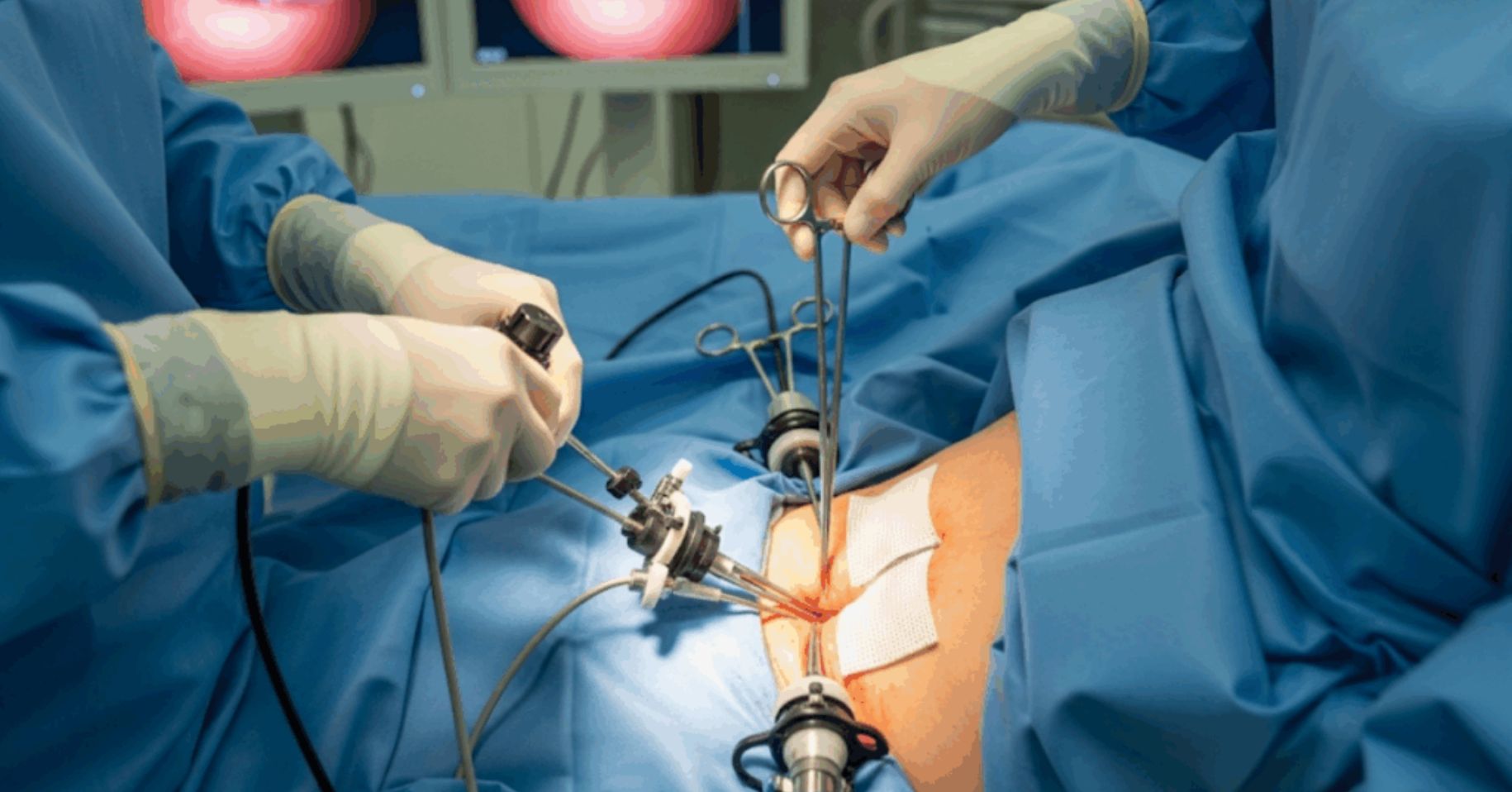
Laser vs PCNL vs URS: Which Kidney Stone Treatment Is Right for You?
Kidney stones are a common urological problem that can cause severe pain, urinary blockage, and repeated infections. While some small stones pass naturally, many patients require medical treatment to remove them safely. Today, advanced procedures such as Laser Surgery, PCNL, and Ureteroscopy (URS) offer highly effective solutions with faster recovery than traditional surgery.
However, many patients wonder which option is best for their condition. The answer depends on several factors, including the size, location, and hardness of the stone, as well as the patient’s overall health. Therefore, an expert evaluation is essential before deciding on the most suitable treatment.
This guide compares Laser Surgery, PCNL, and URS to help you understand how each procedure works and when it is recommended.
Understanding Kidney Stones
Kidney stones are hard mineral deposits that develop inside the kidneys. Over time, these stones may move into the ureter, causing intense pain and difficulty passing urine.
Several factors increase the risk of kidney stones, including:
- Low water intake
- High salt consumption
- Family history
- Obesity
- Certain metabolic disorders
- Recurrent urinary infections
Fortunately, modern treatment options provide excellent outcomes for most patients.
What Is URS (Ureteroscopy)?
URS is a minimally invasive procedure used to treat stones located in the ureter and, in many cases, the kidney.
During the procedure:
- A thin ureteroscope is passed through the natural urinary passage.
- The surgeon locates the stone using a camera.
- A laser is often used to break the stone into tiny fragments.
- Small fragments are removed, while the remaining pieces pass naturally through urine.
Because there are no external cuts, recovery is usually quick.
What Is Laser Kidney Stone Surgery?
Laser kidney stone surgery uses a high-energy laser, usually a Holmium laser, to break stones into very fine particles.
In most cases, the laser is used during URS. As a result, patients benefit from precise stone fragmentation with minimal damage to surrounding tissues.
Laser treatment is highly effective for stones of different sizes and compositions.
What Is PCNL?
PCNL (Percutaneous Nephrolithotomy) is recommended for large or complex kidney stones.
Unlike URS, PCNL involves creating a small opening in the back to reach the kidney directly.
The surgeon then:
- Inserts a nephroscope.
- Breaks the stone into pieces.
- Removes the fragments immediately.
Although PCNL is slightly more invasive than URS, it remains one of the best treatments for large kidney stones.
Comparison: Laser vs PCNL vs URS
| Feature | Laser Surgery (URS) | PCNL | URS |
|---|---|---|---|
| Best For | Small to medium stones | Large kidney stones | Ureter and kidney stones |
| Incision | No | Small incision | No |
| Hospital Stay | Usually 1 day | 1–3 days | Usually 1 day |
| Recovery | Fast | Slightly longer | Fast |
| Pain | Mild | Moderate | Mild |
| Stone Removal | Laser fragmentation | Direct removal | Laser fragmentation |
Each procedure has its own advantages. Therefore, your urologist will recommend the most appropriate option after evaluating your condition.
When Is URS the Best Choice?
URS is often recommended when:
- Stones are present in the ureter.
- Stones measure less than 2 cm.
- No external incision is preferred.
- Recovery needs to be quick.
Moreover, URS is suitable for many patients who want a minimally invasive treatment.
When Is Laser Surgery Recommended?
Laser stone treatment is ideal when:
- Stones are hard.
- Precision is important.
- The stone needs to be broken into fine dust.
- A minimally invasive approach is preferred.
Additionally, laser technology has become one of the safest methods for treating urinary stones.
When Is PCNL Recommended?
PCNL is generally the preferred option if:
- The stone is larger than 2 cm.
- Multiple kidney stones are present.
- Staghorn stones occupy a large part of the kidney.
- Previous treatments have failed.
Consequently, PCNL provides a high stone-clearance rate for complex cases.
Benefits of Modern Kidney Stone Surgery
All three procedures offer significant advantages over traditional open surgery.
Patients usually benefit from:
- Smaller wounds or no external cuts
- Less pain
- Shorter hospital stay
- Faster recovery
- Lower infection risk
- Earlier return to daily activities
Furthermore, advanced technology improves precision and treatment success.
Recovery After Treatment
Recovery depends on the chosen procedure.
Most patients can:
- Walk on the same day
- Drink fluids within hours
- Return to office work within a few days after URS or laser surgery
- Resume normal activities after medical approval
Patients undergoing PCNL may require slightly more recovery time because of the small incision.
Tips to Prevent Future Kidney Stones
After successful treatment, healthy habits help reduce the risk of recurrence.
Doctors recommend:
- Drink at least 2–3 litres of water daily.
- Reduce salt intake.
- Limit sugary drinks.
- Maintain a healthy body weight.
- Follow dietary advice based on your stone type.
- Attend regular follow-up appointments.
Likewise, early medical evaluation helps detect new stones before they become larger.
Why Choose Dr. Abdul Qadir Khan?
Dr. Abdul Qadir Khan is a highly experienced Advanced Laparoscopic & Urology Surgeon specializing in modern kidney stone treatment using URS, Laser Surgery, and PCNL.
Why Patients Trust Dr. Abdul Qadir Khan
- 16+ Years of Experience
- 10,000+ Successful Surgeries
- Triple Fellowship in Laparoscopy, Urology & Endoscopy
- Expertise in URS, Laser Stone Surgery, and PCNL
- Advanced Endoscopic Technology
- Personalized Treatment Plans
- Comprehensive Postoperative Care
At Samra Hospital, Yamuna Vihar, Delhi, patients receive complete evaluation, advanced stone management, and long-term prevention guidance.
Learn more about kidney stone treatment:
Website: https://laparoscopicsurgeondelhi.com/
Stay connected for expert health education:
Facebook: https://www.facebook.com/profile.php?id=61583777460918
Instagram: https://www.instagram.com/drabdulqadirkhan_/
Frequently Asked Questions
Which treatment is best for kidney stones?
The best treatment depends on the size, location, and type of the stone. Your urologist will recommend the most suitable option after evaluation.
Is laser surgery better than PCNL?
Laser surgery is excellent for many small and medium-sized stones. However, PCNL is usually more effective for very large kidney stones.
How long is the recovery after URS?
Most patients return to normal daily activities within one week, although recovery varies from person to person.
Can kidney stones come back after surgery?
Yes. Therefore, maintaining good hydration, following dietary advice, and attending follow-up visits are essential to reduce the risk of recurrence.
Conclusion
Laser Surgery, URS, and PCNL are all highly effective treatments for kidney stones. Nevertheless, each procedure serves a different purpose. Smaller stones often respond well to URS with laser treatment, while larger or more complex stones may require PCNL.
Instead of choosing a treatment on your own, consult an experienced urologist for a detailed evaluation. An accurate diagnosis ensures that you receive the safest and most effective treatment for your specific condition.
Book Your Consultation
Dr. Abdul Qadir Khan
Advanced Laparoscopic & Urology Surgeon
📍 Samra Hospital
C-3/52-A, 53-A, Yamuna Vihar, Shahdara, Delhi – 110053
📞 +91 9910011414
🌐 Website: https://laparoscopicsurgeondelhi.com/
📘 Facebook: https://www.facebook.com/profile.php?id=61583777460918
📷 Instagram: https://www.instagram.com/drabdulqadirkhan_/