



Hernia Surgery in Delhi: Signs, Types & When You Need Treatment
Introduction
A hernia is a common medical condition that occurs when an internal organ or fatty tissue pushes through a weak spot in the surrounding muscle or connective tissue. While some hernias may initially cause little or no discomfort, they do not heal on their own and can become larger or lead to serious complications if left untreated.
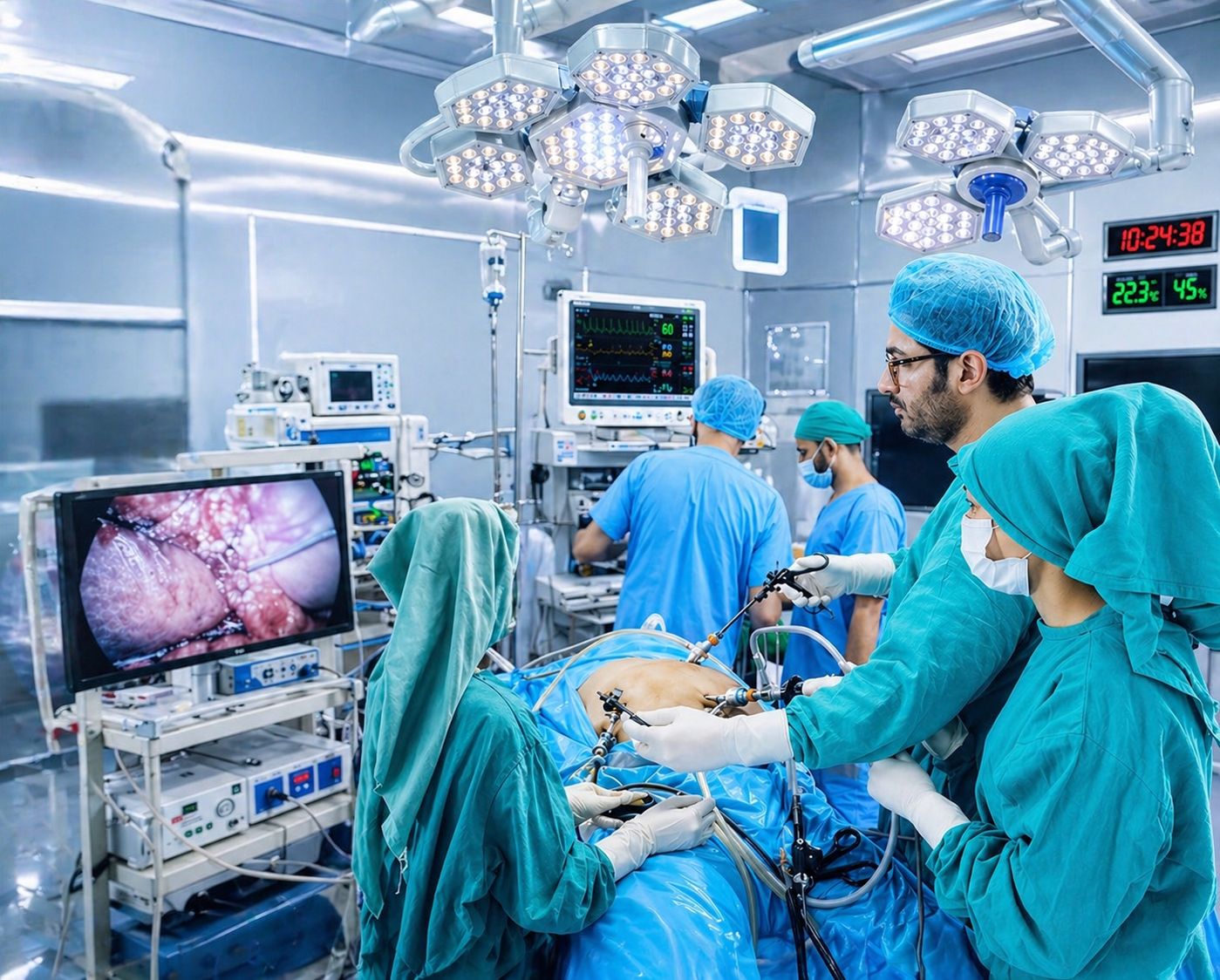
Thanks to advancements in minimally invasive techniques, hernia repair is now safer and more effective than ever. Laparoscopic hernia surgery offers smaller incisions, less pain, quicker recovery, and excellent long-term results.
In this article, we’ll discuss the signs, types, causes, diagnosis, treatment options, and when you should consider hernia surgery.
What Is a Hernia?
A hernia develops when part of an internal organ or tissue protrudes through a weakened area of muscle or the abdominal wall. The condition commonly affects the abdomen and groin but can occur in other parts of the body as well.
Although anyone can develop a hernia, factors such as age, heavy lifting, obesity, pregnancy, and previous surgeries can increase the risk.
Common Signs and Symptoms of a Hernia
The symptoms vary depending on the type and size of the hernia.
1. A Visible Lump or Bulge
The most common sign is a soft bulge under the skin that may become more noticeable when standing, coughing, or lifting heavy objects.
2. Pain or Discomfort
Many patients experience pain or a dragging sensation, especially during:
- Lifting heavy weights
- Bending forward
- Coughing
- Prolonged standing
3. Feeling of Heaviness
Some individuals describe a feeling of pressure or heaviness in the abdomen or groin.
4. Burning or Aching Sensation
A mild burning or aching discomfort around the bulge is common.
5. Swelling in the Groin
Men may notice swelling in the groin or scrotum in cases of inguinal hernia.
Types of Hernia
Several types of hernias can occur depending on their location.
Inguinal Hernia
The most common type, occurring when tissue protrudes through a weak area in the groin. It is more common in men.
Femoral Hernia
This type develops near the upper thigh and is more frequently seen in women.
Umbilical Hernia
Occurs near the belly button and may affect infants as well as adults.
Incisional Hernia
Develops through a previous surgical incision due to weakness in the abdominal wall.
Hiatal Hernia
Occurs when part of the stomach moves upward through the diaphragm into the chest cavity.
Causes of Hernia
A hernia usually develops due to a combination of muscle weakness and increased pressure inside the abdomen.
Common causes include:
- Heavy lifting
- Chronic coughing
- Obesity
- Constipation and frequent straining
- Pregnancy
- Aging
- Previous abdominal surgery
- Family history of hernia
Who Is at Higher Risk?
The following individuals have a higher risk of developing a hernia:
- Men
- Older adults
- People with obesity
- Smokers
- Construction workers and athletes
- Individuals who frequently lift heavy objects
- Patients with chronic constipation or chronic cough
When Should You Visit a Surgeon?
Many people ignore a small hernia because it causes little discomfort. However, delaying treatment may allow the hernia to grow larger or become complicated.
Consult a surgeon if you notice:
- A persistent lump in the abdomen or groin
- Pain that increases with activity
- Difficulty performing daily tasks
- Increasing size of the bulge
- Recurrent discomfort
Early treatment usually results in a simpler procedure and faster recovery.
Emergency Warning Signs
Seek immediate medical attention if you experience:
- Severe or sudden abdominal pain
- A bulge that cannot be pushed back inside
- Redness or discoloration over the swelling
- Fever
- Nausea and vomiting
- Severe abdominal tenderness
These symptoms may indicate a strangulated hernia, which is a surgical emergency requiring immediate treatment.
How Is a Hernia Diagnosed?
Diagnosis usually includes:
Physical Examination
Your surgeon examines the affected area while you stand, cough, or strain.
Ultrasound
Helpful for diagnosing groin and abdominal wall hernias.
CT Scan or MRI
These imaging tests may be recommended for complex or recurrent hernias.
Treatment Options for Hernia
Unlike many other conditions, a hernia does not heal with medicines or exercises.
The only permanent treatment is surgery.
Laparoscopic Hernia Surgery
This minimally invasive technique uses small incisions and a camera to repair the weakened muscle using surgical mesh.
Benefits include:
- Smaller scars
- Less postoperative pain
- Faster recovery
- Shorter hospital stay
- Lower risk of infection
- Earlier return to work
Open Hernia Surgery
Open surgery may be recommended in certain complex or large hernias depending on the patient’s condition.
Your surgeon will determine the most suitable approach.
Recovery After Hernia Surgery
Most patients recover well after laparoscopic hernia repair.
Recovery generally includes:
- Walking within a few hours
- Returning home the same day or next day
- Light activities within a few days
- Returning to work in 1–2 weeks (depending on the nature of the job)
- Avoiding heavy lifting for several weeks
Following your surgeon’s instructions helps ensure a smooth recovery.
Can a Hernia Be Prevented?
Although not all hernias can be prevented, you can reduce your risk by:
- Maintaining a healthy weight
- Eating a high-fiber diet to prevent constipation
- Avoiding heavy lifting or using proper lifting techniques
- Treating chronic cough promptly
- Exercising regularly to strengthen abdominal muscles
- Quitting smoking
These lifestyle habits help reduce pressure on the abdominal wall.
Why Choose Dr. Abdul Qadir Khan for Hernia Surgery?
Dr. Abdul Qadir Khan is an experienced laparoscopic and minimally invasive surgeon with expertise in advanced hernia repair procedures.
Why Patients Trust Dr. Abdul Qadir Khan
- 16+ Years of Surgical Experience
- 10,000+ Successful Surgeries
- Triple Fellowship in Laparoscopy, Urology & Endoscopy
- Advanced Laparoscopic Hernia Repair
- Faster Recovery with Minimal Pain
- Personalized Patient Care
- Modern Surgical Facilities at Samra Hospital, Delhi
Conclusion
A hernia is a condition that should never be ignored. While it may begin as a small, painless swelling, it can gradually enlarge and lead to serious complications if left untreated.
Modern laparoscopic hernia surgery offers a safe, effective, and minimally invasive solution with quicker recovery and excellent long-term outcomes. If you notice symptoms of a hernia, consulting an experienced surgeon early can help prevent complications and improve your quality of life.
Book Your Consultation
Dr. Abdul Qadir Khan
Advanced Laparoscopic & Urology Surgeon
📍 Samra Hospital, Yamuna Vihar, Delhi – 110053
📞 +91 9910011414