



Laser Surgery for Kidney Stones: Benefits, Recovery & Success Rate
Kidney stones can cause severe pain and interfere with your daily routine. While some small stones pass naturally, larger stones often require medical treatment. Today, laser surgery for kidney stones has become one of the safest and most effective treatment options. It offers high success rates, faster recovery, and minimal discomfort.
Unlike traditional surgery, laser treatment removes stones without making large cuts. Instead, your urologist uses advanced laser technology to break the stones into tiny fragments that either pass naturally or are removed during the procedure. As a result, patients experience less pain, shorter hospital stays, and a quicker return to normal life.
This guide explains how laser kidney stone surgery works, who needs it, its benefits, recovery process, possible risks, and success rate.
What Is Laser Surgery for Kidney Stones?
Laser surgery for kidney stones is a minimally invasive procedure that uses a high-energy laser to break kidney or ureter stones into very small pieces.
In most cases, the surgeon performs the procedure using Ureteroscopy (URS). A thin scope passes through the natural urinary passage to reach the stone. Next, a laser fiber breaks the stone into fine particles. Finally, the surgeon removes the fragments or allows them to pass naturally through urine.
Because there are no large incisions, healing is usually much faster than with traditional surgery.
Who Needs Laser Kidney Stone Surgery?
Your urologist may recommend laser surgery if:
- The stone is too large to pass naturally.
- Medication has not relieved your symptoms.
- The stone blocks urine flow.
- You have repeated urinary infections because of stones.
- Severe pain continues despite treatment.
- Other treatment methods are not suitable.
Moreover, laser surgery works well for stones located in the kidney or ureter.
Symptoms That May Indicate You Need Treatment
You should consult a urologist if you experience:
- Severe pain in the back or side
- Pain that spreads to the lower abdomen
- Blood in the urine
- Burning during urination
- Frequent urination
- Nausea or vomiting
- Fever with chills
Ignoring these symptoms may increase the risk of infection or kidney damage. Therefore, early treatment is always the better choice.
How Is Laser Kidney Stone Surgery Performed?
The procedure usually takes between 30 and 90 minutes, depending on the size and location of the stone.
Step 1: Anesthesia
The patient receives general or spinal anesthesia to ensure comfort.
Step 2: Inserting the Ureteroscope
The surgeon gently inserts a thin ureteroscope through the urethra into the bladder and ureter.
Step 3: Finding the Stone
A high-definition camera helps locate the stone accurately.
Step 4: Breaking the Stone
A powerful laser breaks the stone into tiny fragments.
Step 5: Removing the Stone
The surgeon removes larger fragments, while smaller pieces pass naturally in urine.
Step 6: Stent Placement (If Needed)
Sometimes, the surgeon places a temporary ureteral stent to support healing and maintain urine flow.
Benefits of Laser Surgery for Kidney Stones
Laser surgery offers many advantages over traditional procedures.
Minimally Invasive
The treatment requires no large surgical incision.
High Success Rate
Laser technology effectively removes most kidney and ureter stones.
Less Pain
Patients usually experience much less discomfort after the procedure.
Faster Recovery
Most patients return to daily activities within a few days.
Short Hospital Stay
Many patients go home on the same day or within 24 hours.
Minimal Scarring
Since no large cuts are made, there is little to no visible scarring.
Recovery After Laser Kidney Stone Surgery
Recovery is generally smooth. However, following your doctor’s advice is essential.
Most patients can:
- Walk within a few hours
- Resume light activities in 2–3 days
- Return to work within one week
- Drink plenty of water to flush out remaining stone fragments
Additionally, mild burning during urination or light blood in the urine may occur for a short time. These symptoms usually improve within a few days.
Tips for a Faster Recovery
You can recover more comfortably by following these recommendations:
- Drink at least 2–3 litres of water daily.
- Complete your prescribed medications.
- Avoid heavy lifting for one week.
- Eat a balanced diet.
- Attend follow-up appointments.
- Rest adequately during the first few days.
Furthermore, contact your doctor immediately if you develop fever, severe pain, or heavy bleeding.
Are There Any Risks?
Laser kidney stone surgery is considered very safe. Nevertheless, every medical procedure carries some risk.
Possible complications include:
- Mild bleeding
- Urinary tract infection
- Temporary burning during urination
- Mild discomfort from the ureteral stent
- Rare injury to the urinary tract
Fortunately, serious complications are uncommon when an experienced urologist performs the procedure.
Success Rate of Laser Kidney Stone Surgery
Laser surgery has an excellent success rate, especially for small and medium-sized stones.
Several factors influence the outcome, including:
- Stone size
- Stone location
- Number of stones
- Overall kidney health
- Timely treatment
In most cases, patients achieve complete stone clearance after one procedure. However, larger or multiple stones may occasionally require additional treatment.
Can Kidney Stones Come Back?
Yes. Although laser surgery removes existing stones, new stones can develop if the underlying causes remain.
You can reduce your risk by:
- Drinking enough water every day
- Limiting salt intake
- Reducing sugary drinks
- Eating a balanced diet
- Maintaining a healthy weight
- Following your doctor’s dietary advice
Healthy lifestyle habits play an important role in preventing future stones.
Why Choose Dr. Abdul Qadir Khan?
Dr. Abdul Qadir Khan is a highly experienced Advanced Laparoscopic & Urology Surgeon specializing in advanced kidney stone treatments using modern minimally invasive techniques.
Why Patients Trust Dr. Abdul Qadir Khan
- 16+ Years of Experience
- 10,000+ Successful Surgeries
- Triple Fellowship in Laparoscopy, Urology & Endoscopy
- Expertise in Laser Stone Surgery, URS, PCNL and Endoscopic Procedures
- Modern Surgical Technology
- Personalized Treatment Plans
- Compassionate Patient Care
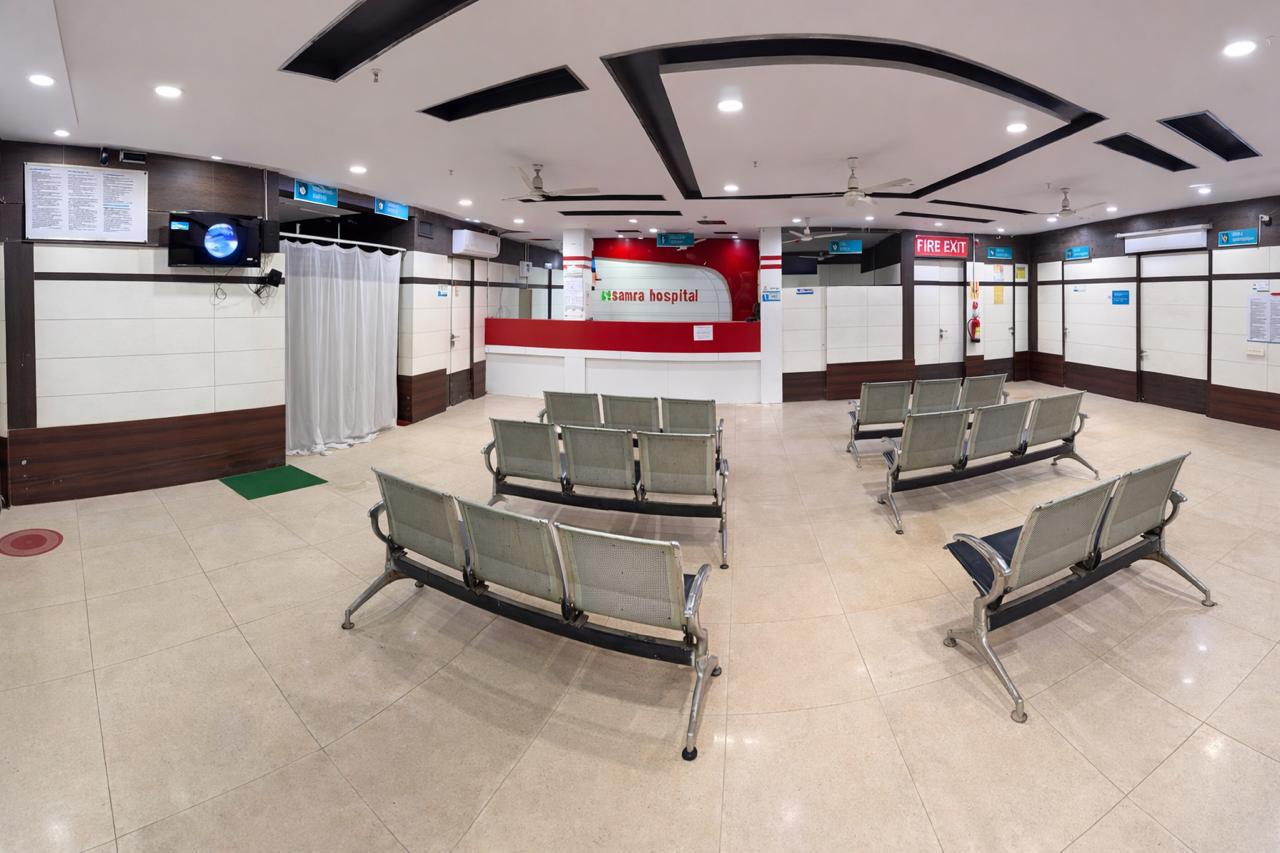
At Samra Hospital, Yamuna Vihar, Delhi, patients receive accurate diagnosis, advanced treatment, and complete post-operative care for kidney stone disease.
Learn more about available treatments by visiting:
Website: https://laparoscopicsurgeondelhi.com/
Follow Dr. Abdul Qadir Khan for health awareness and expert advice:
Facebook: https://www.facebook.com/profile.php?id=61583777460918
Instagram: https://www.instagram.com/drabdulqadirkhan_/
Frequently Asked Questions
Is laser surgery better than traditional kidney stone surgery?
Yes. In many cases, laser surgery offers less pain, faster recovery, shorter hospital stays, and excellent success rates.
Is laser kidney stone surgery painful?
No. The procedure is performed under anesthesia. Most patients experience only mild discomfort during recovery.
How long does recovery take?
Most patients resume normal daily activities within one week, although complete recovery may vary from person to person.
Can all kidney stones be treated with laser surgery?
No. Very large or complex stones may require procedures such as PCNL. Your urologist will recommend the most suitable treatment.
Conclusion
Laser surgery has transformed the treatment of kidney stones by offering a safe, minimally invasive, and highly effective solution. Because it provides faster recovery, less pain, and high stone clearance rates, it has become one of the preferred treatment options for many patients.
If you experience persistent kidney stone symptoms, do not delay treatment. Early consultation with an experienced urologist can prevent complications and help protect your kidney health.
Book Your Consultation
Dr. Abdul Qadir Khan
Advanced Laparoscopic & Urology Surgeon
📍 Samra Hospital
C-3/52-A, 53-A, Yamuna Vihar, Shahdara, Delhi – 110053
📞 +91 9910011414
🌐 Website: https://laparoscopicsurgeondelhi.com/
📘 Facebook: https://www.facebook.com/profile.php?id=61583777460918
📷 Instagram: https://www.instagram.com/drabdulqadirkhan_/