



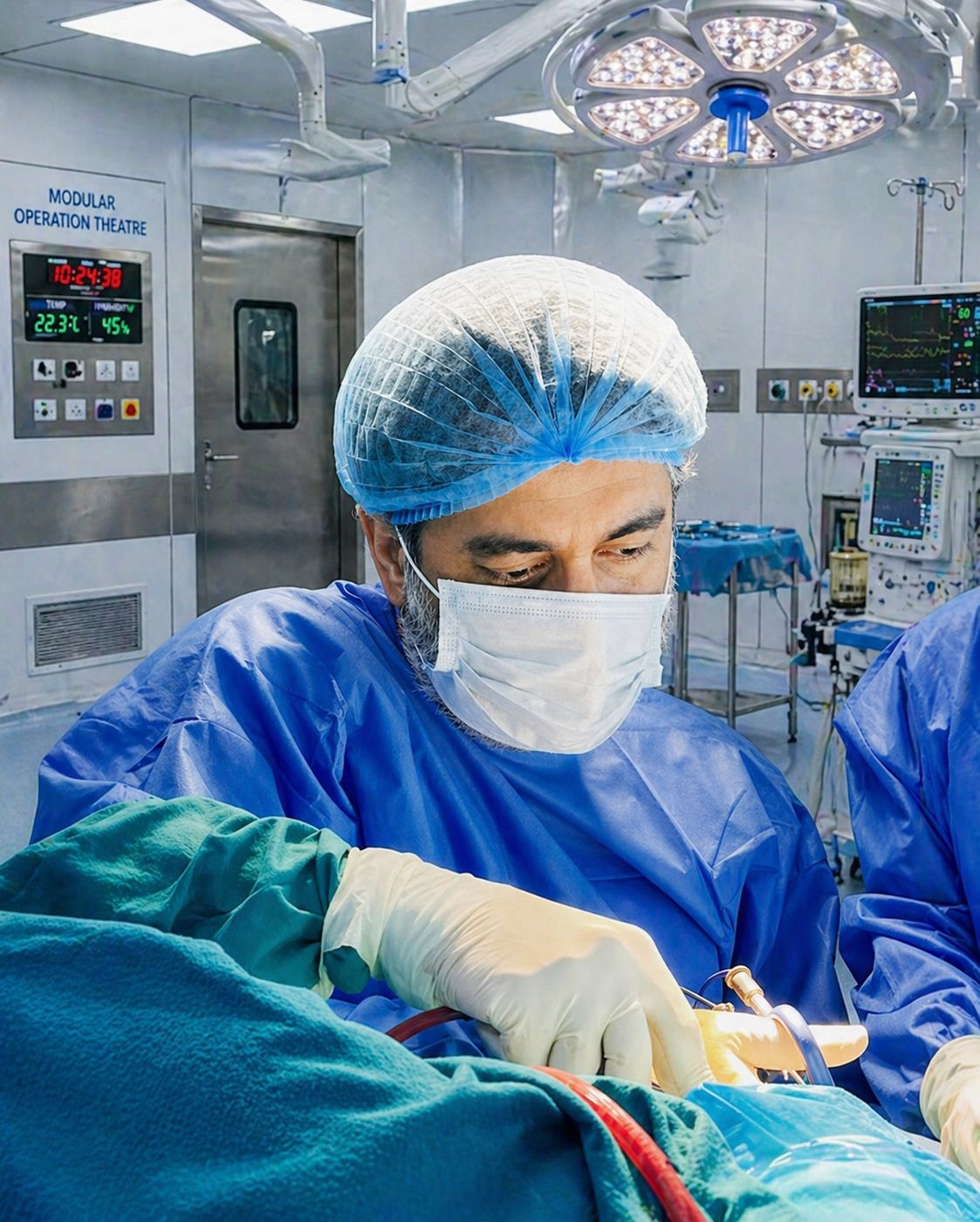
Laparoscopic Hernia Surgery vs Open Surgery: Which Is Better?
A hernia is a common condition that occurs when an organ or fatty tissue pushes through a weak area of the abdominal wall or surrounding muscles. Although a hernia may initially seem harmless, it does not heal on its own and often requires surgical repair to prevent complications.
Today, patients have two primary treatment options: Laparoscopic Hernia Surgery and Open Hernia Surgery. Both procedures are effective, but they differ in terms of surgical technique, recovery time, pain levels, and suitability for different patients.
In this guide, we’ll compare laparoscopic and open hernia surgery to help you understand which option may be best for your condition.
What Is Hernia Surgery?
Hernia surgery is performed to push the protruding tissue back into its proper position and strengthen the weakened abdominal wall. In many cases, a surgical mesh is used to reduce the risk of recurrence.
The choice between laparoscopic and open surgery depends on factors such as the type of hernia, its size, previous surgeries, and the patient’s overall health.
What Is Laparoscopic Hernia Surgery?
Laparoscopic hernia surgery is a minimally invasive procedure performed through 3–4 small incisions. A tiny camera (laparoscope) and specialized surgical instruments are inserted through these incisions to repair the hernia from inside the abdomen.
The surgeon places a surgical mesh over the weakened area to provide long-term support.
What Is Open Hernia Surgery?
In open hernia surgery, a single larger incision is made directly over the hernia. The protruding tissue is returned to its normal position, and the weakened muscle is repaired using stitches, mesh, or both.
This method has been used successfully for many years and is still recommended in certain situations.
Difference Between Laparoscopic and Open Hernia Surgery
| Feature | Laparoscopic Surgery | Open Surgery |
|---|---|---|
| Incision Size | Small keyhole incisions | One larger incision |
| Pain After Surgery | Usually less | Usually more |
| Hospital Stay | Often same day or 1 day | 1–3 days (may vary) |
| Recovery Time | Faster | Longer |
| Scarring | Minimal | More visible |
| Infection Risk | Lower | Slightly higher |
| Return to Work | Earlier | May take longer |
Benefits of Laparoscopic Hernia Surgery
Laparoscopic surgery has become the preferred choice for many patients due to its numerous advantages.
Smaller Incisions
Tiny cuts result in better cosmetic outcomes and less tissue damage.
Less Pain
Patients usually experience less discomfort after surgery compared to open procedures.
Faster Recovery
Most patients return to their normal routine much sooner.
Lower Risk of Infection
Smaller wounds reduce the likelihood of postoperative infections.
Minimal Blood Loss
Modern laparoscopic techniques help minimize bleeding during surgery.
Shorter Hospital Stay
Many patients are discharged on the same day or within 24 hours.
Benefits of Open Hernia Surgery
Although laparoscopic surgery is increasingly popular, open surgery remains an excellent option in specific cases.
Advantages include:
- Suitable for very large or complicated hernias
- May be preferred in some emergency situations
- Effective for patients who are not candidates for laparoscopy
- Can often be performed under local or spinal anesthesia
Your surgeon will determine the most appropriate technique based on your individual condition.
Who Is a Good Candidate for Laparoscopic Hernia Surgery?
You may be a suitable candidate if you have:
- Inguinal hernia
- Bilateral hernia
- Recurrent hernia after previous open surgery
- Umbilical hernia
- Small to moderate abdominal wall hernias
A complete medical evaluation is necessary before making the decision.
Recovery After Hernia Surgery
Recovery depends on the type of surgery performed.
After laparoscopic surgery, most patients can:
- Walk within a few hours
- Return home the same day or the following day
- Resume light work within one to two weeks
- Return to normal activities sooner
Open surgery may require a slightly longer recovery period, particularly for larger hernias.
Possible Risks of Hernia Surgery
Like any surgical procedure, hernia repair carries some risks, although complications are uncommon when performed by experienced surgeons.
Potential risks include:
- Infection
- Bleeding
- Fluid collection
- Recurrence
- Chronic pain (rare)
- Reaction to anesthesia
Following your surgeon’s postoperative instructions significantly reduces these risks.
Tips for Faster Recovery
To support healing after hernia surgery:
- Avoid lifting heavy objects.
- Walk regularly as advised.
- Eat a fiber-rich diet to prevent constipation.
- Stay hydrated.
- Keep the surgical wound clean.
- Attend all follow-up appointments.
These measures can help ensure a smooth recovery.
Why Choose Dr. Abdul Qadir Khan?
Dr. Abdul Qadir Khan is an experienced Advanced Laparoscopic & Urology Surgeon with extensive expertise in minimally invasive hernia repair.
Why Patients Choose Dr. Abdul Qadir Khan
- 16+ Years of Surgical Experience
- 10,000+ Successful Surgeries
- Triple Fellowship in Laparoscopy, Urology & Endoscopy
- Advanced Laparoscopic Hernia Repair
- Modern Surgical Technology
- Faster Recovery with Minimal Pain
- Personalized Patient Care
He practices at Samra Hospital, Yamuna Vihar, Delhi, where patients receive comprehensive diagnosis, advanced surgical treatment, and dedicated postoperative care.
For more information about hernia treatment and laparoscopic surgery, visit:
Website: https://laparoscopicsurgeondelhi.com/
Stay connected for health tips and patient education:
Facebook: https://www.facebook.com/profile.php?id=61583777460918
Instagram: https://www.instagram.com/drabdulqadirkhan_/
Conclusion
Both laparoscopic and open hernia surgery are safe and effective treatments. However, laparoscopic surgery offers several advantages, including smaller incisions, reduced pain, quicker recovery, shorter hospital stays, and less scarring. The best option depends on your type of hernia, overall health, and your surgeon’s recommendation.
If you notice a bulge in your abdomen or groin, don’t ignore it. Early consultation with an experienced hernia surgeon can help prevent complications and ensure the best possible outcome.
Book Your Consultation
Dr. Abdul Qadir Khan
Advanced Laparoscopic & Urology Surgeon
📍 Samra Hospital, Yamuna Vihar, Delhi – 110053
📞 +91 9910011414