



10 Early Signs of Gallbladder Stones You Should Never Ignore
Gallbladder stones, commonly known as gallstones, are one of the most common digestive disorders. They develop when substances in bile, such as cholesterol or bilirubin, harden into stone-like deposits inside the gallbladder. While some gallstones remain silent and never cause symptoms, others can block the flow of bile and lead to severe pain, infection, or even emergency surgery.
Recognizing the early warning signs can help you seek timely treatment and avoid serious complications.
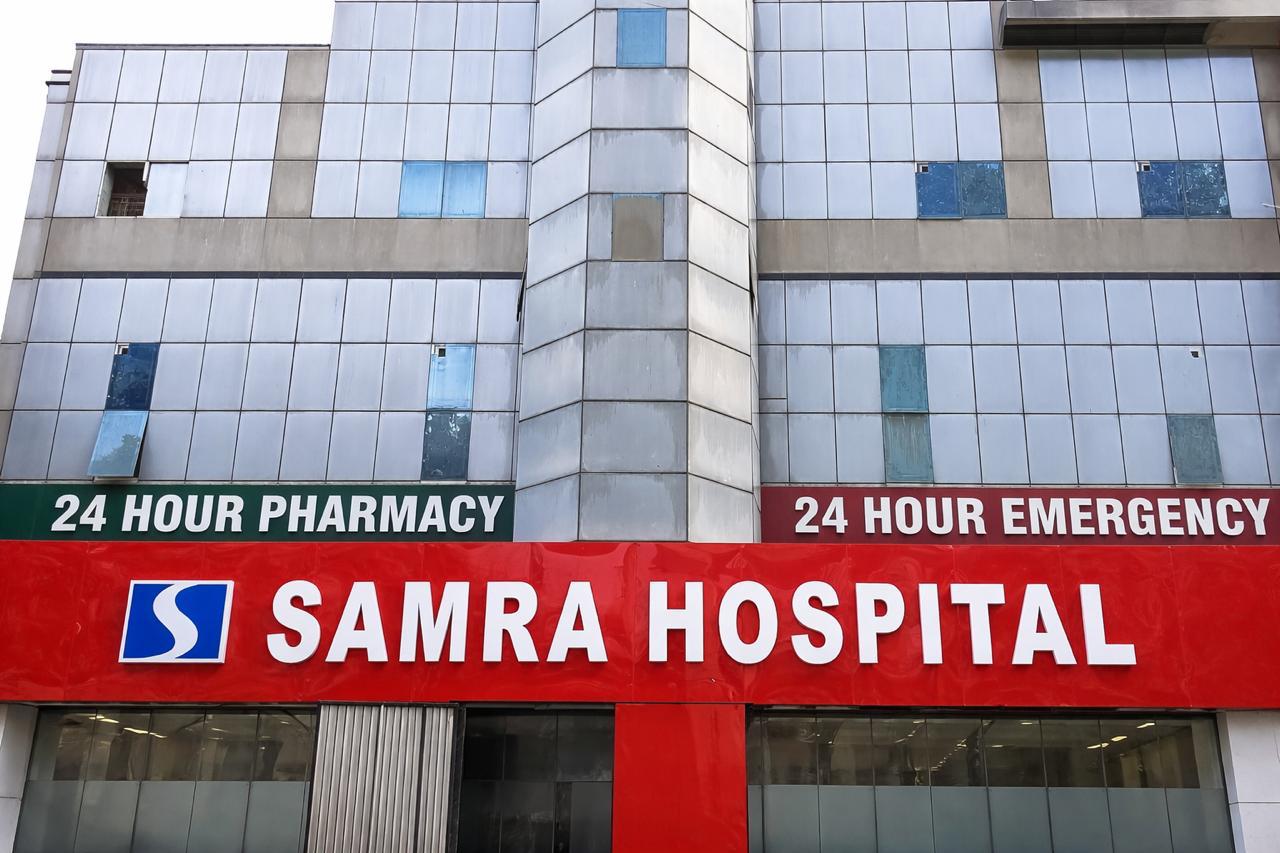
Dr. Abdul Qadir Khan, an Advanced Laparoscopic & Urology Surgeon at Samra Hospital, Delhi, specializes in minimally invasive gallbladder surgery that offers faster recovery and excellent outcomes.
What Are Gallbladder Stones?
The gallbladder is a small organ located beneath the liver. It stores bile, a digestive fluid that helps break down fats. When the balance of cholesterol, bile salts, or bilirubin changes, stones may develop inside the gallbladder.
Gallstones can range from the size of a grain of sand to as large as a golf ball. Some patients develop a single stone, while others may have multiple stones.
Who Is at Risk of Gallbladder Stones?
Anyone can develop gallstones, but the risk is higher in people who:
- Are overweight or obese
- Eat a high-fat diet
- Are above 40 years of age
- Have diabetes
- Have a family history of gallstones
- Experience rapid weight loss
- Are pregnant
- Have liver disease
Maintaining a healthy lifestyle may help reduce the risk.
1. Pain in the Upper Right Abdomen
The most common symptom of gallstones is sudden pain in the upper right side of the abdomen.
The pain may:
- Start suddenly
- Last from a few minutes to several hours
- Become severe after eating fatty meals
This is often referred to as a gallbladder attack.
2. Pain That Spreads to the Back or Shoulder
Gallbladder pain frequently radiates to:
- The right shoulder
- Between the shoulder blades
- Upper back
This type of referred pain is a classic symptom of gallstones.
3. Nausea and Vomiting
Blocked bile flow can interfere with digestion, causing:
- Nausea
- Vomiting
- Loss of appetite
These symptoms often accompany abdominal pain.
4. Indigestion After Fatty Meals
If you regularly experience discomfort after eating oily or spicy foods, gallstones may be the underlying cause.
Common digestive symptoms include:
- Bloating
- Burping
- Fullness
- Acid reflux
- Gas
5. Fever and Chills
If gallstones cause an infection of the gallbladder, patients may develop:
- Fever
- Chills
- Severe abdominal pain
This requires urgent medical attention.
6. Yellowing of the Skin or Eyes (Jaundice)
A stone blocking the bile duct can prevent bile from flowing normally.
This may lead to:
- Yellow skin
- Yellow eyes
- Dark urine
- Pale stools
Jaundice should never be ignored.
7. Sudden Severe Abdominal Pain
Pain that rapidly becomes intense and unbearable may indicate:
- Acute gallbladder inflammation
- Bile duct blockage
- Gallstone complications
Emergency evaluation is recommended.
8. Frequent Bloating
Persistent bloating after meals, especially fatty foods, may indicate impaired bile flow due to gallstones.
Although bloating has many causes, recurrent symptoms deserve medical evaluation.
9. Changes in Stool or Urine Color
Gallstones affecting bile drainage may cause:
- Clay-colored stools
- Dark-colored urine
These changes often occur alongside jaundice.
10. Repeated Episodes of Abdominal Pain
Recurring attacks of upper abdominal pain are one of the strongest warning signs of gallstones.
Ignoring repeated episodes increases the risk of complications.
When Should You See a Surgeon?
Consult a surgeon immediately if you experience:
- Severe abdominal pain
- Fever with abdominal pain
- Jaundice
- Persistent vomiting
- Recurrent gallbladder attacks
- Pain lasting more than a few hours
Early treatment can prevent infection and emergency surgery.
How Are Gallbladder Stones Diagnosed?
Your doctor may recommend:
Physical Examination
To assess symptoms and abdominal tenderness.
Blood Tests
To check for infection and liver function.
Ultrasound
The most common imaging test used to detect gallstones.
CT Scan or MRI
May be required in complex cases or when bile duct stones are suspected.
Treatment Options for Gallbladder Stones
Treatment depends on whether the stones are causing symptoms.
Observation
Silent gallstones often do not require immediate treatment.
Medication
In selected cases, medications may help dissolve certain cholesterol stones, although this approach is less common.
Laparoscopic Cholecystectomy
For symptomatic gallstones, laparoscopic gallbladder removal is considered the gold standard treatment.
Benefits include:
- Small incisions
- Less pain
- Faster recovery
- Short hospital stay
- Minimal scarring
- Excellent long-term results
Can Gallstones Be Prevented?
Although not all gallstones can be prevented, you can lower your risk by:
- Maintaining a healthy weight
- Exercising regularly
- Eating a balanced, high-fiber diet
- Limiting fatty and fried foods
- Avoiding rapid weight loss
- Staying well hydrated
Healthy lifestyle habits play an important role in gallbladder health.
Why Choose Dr. Abdul Qadir Khan?
Dr. Abdul Qadir Khan is an experienced Advanced Laparoscopic & Urology Surgeon specializing in minimally invasive gallbladder surgery.
Why Patients Trust Dr. Abdul Qadir Khan
- 16+ Years of Surgical Experience
- 10,000+ Successful Surgeries
- Triple Fellowship in Laparoscopy, Urology & Endoscopy
- Advanced Laparoscopic Gallbladder Surgery
- Faster Recovery with Minimal Pain
- Personalized Patient Care
At Samra Hospital, Yamuna Vihar, Delhi, patients receive comprehensive diagnosis and advanced laparoscopic treatment using modern surgical techniques.
Learn more about gallbladder surgery by visiting:
Website: https://laparoscopicsurgeondelhi.com/
Follow Dr. Abdul Qadir Khan for regular health awareness updates:
Facebook: https://www.facebook.com/profile.php?id=61583777460918
Instagram: https://www.instagram.com/drabdulqadirkhan_/
Conclusion
Gallbladder stones often begin with mild digestive symptoms but can quickly lead to severe pain and serious complications if left untreated. Recognizing the early warning signs allows for timely diagnosis and effective treatment.
If you experience repeated abdominal pain, nausea, jaundice, or discomfort after meals, consult an experienced laparoscopic surgeon without delay. Early treatment can help you avoid complications and return to a healthy, pain-free life.
Book Your Consultation
Dr. Abdul Qadir Khan
Advanced Laparoscopic & Urology Surgeon
📍 Samra Hospital, Yamuna Vihar, Delhi – 110053
📞 +91 9910011414