



Kidney Stone Symptoms: When Should You See a Urologist?
Kidney stones are one of the most common urinary tract problems, affecting people of all ages. These hard mineral deposits form inside the kidneys and may remain unnoticed until they start moving through the urinary tract. While some small stones pass naturally, larger stones can cause severe pain and may require medical or surgical treatment.
Recognizing the symptoms early and consulting a urologist at the right time can prevent complications such as kidney infections or permanent kidney damage.
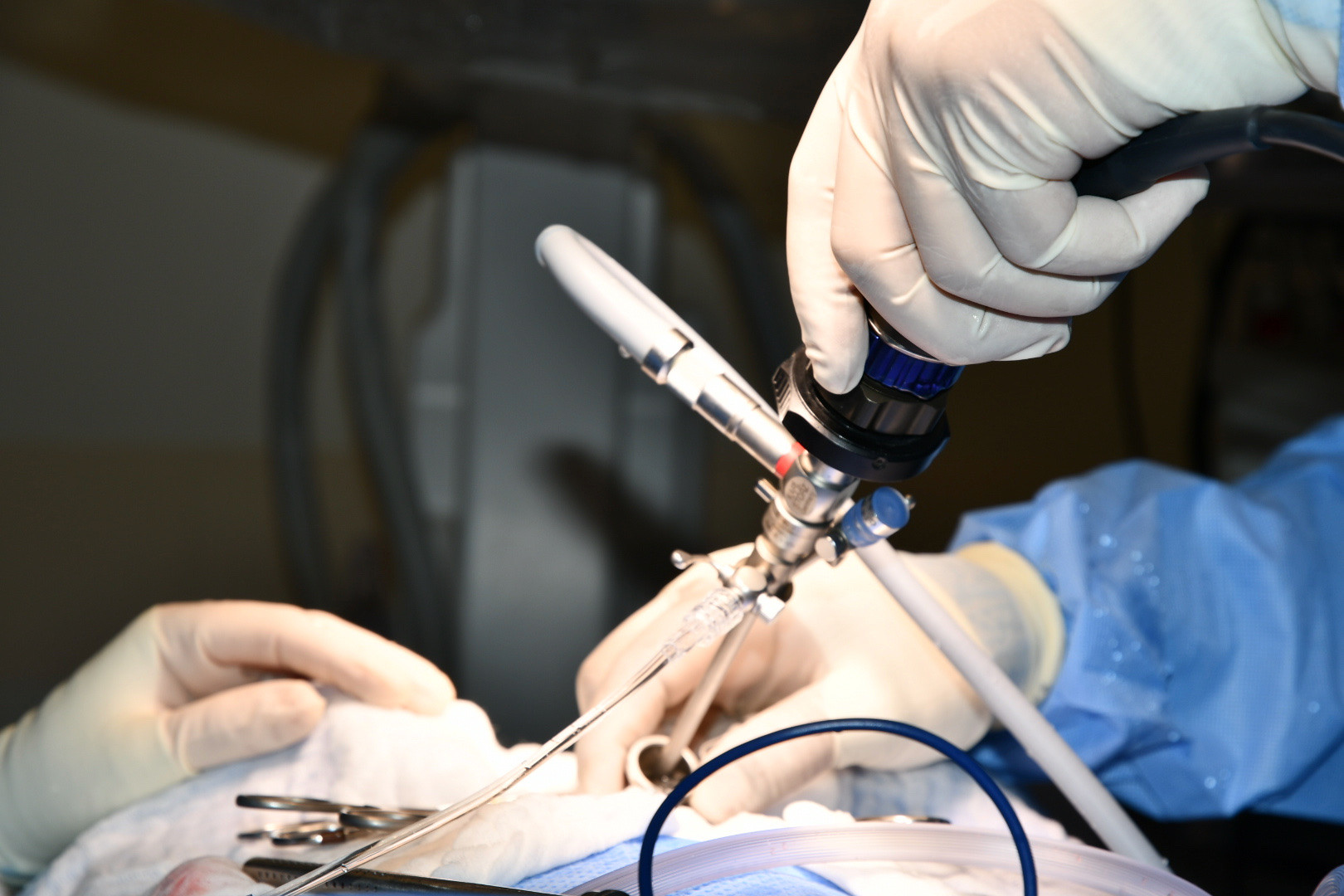
Dr. Abdul Qadir Khan, an Advanced Laparoscopic & Urology Surgeon at Samra Hospital, Delhi, specializes in diagnosing and treating kidney stones using advanced minimally invasive procedures, including Ureteroscopy (URS), PCNL, and laser stone removal.
What Are Kidney Stones?
Kidney stones are solid crystals made from minerals and salts that accumulate in the kidneys. They may vary in size from tiny grains to large stones capable of blocking the urinary tract.
Kidney stones can develop due to dehydration, dietary habits, metabolic disorders, recurrent urinary infections, or a family history of stone disease.
Types of Kidney Stones
Understanding the type of stone helps determine the most appropriate treatment.
Calcium Stones
These are the most common type and are usually formed from calcium oxalate or calcium phosphate.
Uric Acid Stones
Often associated with high-protein diets, gout, or dehydration.
Struvite Stones
Usually develop after recurrent urinary tract infections.
Cystine Stones
A rare type caused by a hereditary condition called cystinuria.
Common Kidney Stone Symptoms
The symptoms depend on the size and location of the stone.
Severe Pain in the Back or Side
The most common symptom is sudden, intense pain that starts in the back or side below the ribs. The pain may spread to the lower abdomen or groin and often comes in waves.
Pain While Urinating
A burning sensation or pain during urination may occur if the stone reaches the lower urinary tract.
Blood in Urine
Urine may appear pink, red, or brown due to irritation caused by the stone.
Frequent Urination
Patients often feel the need to urinate more frequently, especially when the stone is near the bladder.
Nausea and Vomiting
Severe kidney stone pain can trigger nausea and vomiting.
Cloudy or Foul-Smelling Urine
This may indicate a urinary tract infection along with kidney stones.
Fever and Chills
If fever accompanies kidney stone symptoms, it may suggest an infection that requires immediate medical attention.
When Should You See a Urologist?
While some small kidney stones may pass naturally, certain symptoms require prompt evaluation by a urologist.
Consult a specialist if you experience:
- Severe or persistent pain
- Blood in the urine
- Difficulty passing urine
- Fever or chills
- Recurrent urinary tract infections
- Persistent nausea or vomiting
- Symptoms lasting more than a few days
Early treatment can prevent complications and preserve kidney function.
Risk Factors for Kidney Stones
Several factors increase the risk of developing kidney stones.
These include:
- Drinking insufficient water
- High salt intake
- Diet rich in animal protein
- Obesity
- Diabetes
- Family history of kidney stones
- Recurrent urinary infections
- Certain metabolic disorders
Maintaining healthy lifestyle habits can help reduce the risk.
How Are Kidney Stones Diagnosed?
Your urologist may recommend the following tests:
Physical Examination
Assessment of symptoms and medical history.
Urine Tests
To check for infection, blood, and crystal formation.
Blood Tests
To evaluate kidney function and mineral levels.
Ultrasound
Useful for detecting many kidney stones.
CT Scan
Provides detailed images and accurately identifies the size and location of stones.
Treatment Options for Kidney Stones
Treatment depends on the stone’s size, location, and symptoms.
Medication
Small stones may pass naturally with pain medications, hydration, and prescribed medicines.
Ureteroscopy (URS)
A thin endoscope is passed through the urinary tract to remove or break the stone using laser technology.
PCNL (Percutaneous Nephrolithotomy)
Recommended for large kidney stones. A small incision is made in the back to remove stones directly from the kidney.
Laser Kidney Stone Surgery
Advanced laser technology breaks stones into tiny fragments that pass naturally through urine.
Tips to Prevent Kidney Stones
Simple lifestyle changes can significantly reduce your risk.
- Drink at least 2–3 litres of water daily.
- Reduce salt intake.
- Limit sugary beverages.
- Eat a balanced diet rich in fruits and vegetables.
- Maintain a healthy body weight.
- Follow your doctor’s dietary recommendations if you’ve had stones before.
Why Choose Dr. Abdul Qadir Khan?
Dr. Abdul Qadir Khan is an experienced Advanced Laparoscopic & Urology Surgeon with expertise in treating kidney stones using modern minimally invasive techniques.
Why Patients Trust Dr. Abdul Qadir Khan
- 16+ Years of Surgical Experience
- 10,000+ Successful Surgeries
- Triple Fellowship in Laparoscopy, Urology & Endoscopy
- Expertise in PCNL, URS, Laser Stone Surgery, and Endoscopic Procedures
- Advanced Technology with Faster Recovery
- Personalized Patient Care
Patients receive comprehensive evaluation and treatment at Samra Hospital, Yamuna Vihar, Delhi, using the latest surgical techniques for safe and effective outcomes.
To learn more about available treatments, visit https://laparoscopicsurgeondelhi.com/.
Follow Dr. Abdul Qadir Khan for health tips and patient awareness:
Facebook: https://www.facebook.com/profile.php?id=61583777460918
Instagram: https://www.instagram.com/drabdulqadirkhan_/
Conclusion
Kidney stones can cause severe pain and lead to serious complications if ignored. Early diagnosis and timely treatment by an experienced urologist can prevent kidney damage and provide lasting relief.
If you notice symptoms such as severe back pain, blood in the urine, or difficulty urinating, don’t delay seeking medical care. Modern treatments like URS, PCNL, and laser kidney stone surgery offer excellent success rates with minimal discomfort and faster recovery.
Book Your Consultation
Dr. Abdul Qadir Khan
Advanced Laparoscopic & Urology Surgeon
📍 Samra Hospital, Yamuna Vihar, Delhi – 110053
📞 +91 9910011414
🌐 https://laparoscopicsurgeondelhi.com/
📘 Facebook: https://www.facebook.com/profile.php?id=61583777460918
📷 Instagram: https://www.instagram.com/drabdulqadirkhan_/