



Gallbladder Surgery Recovery: What to Expect Week by Week
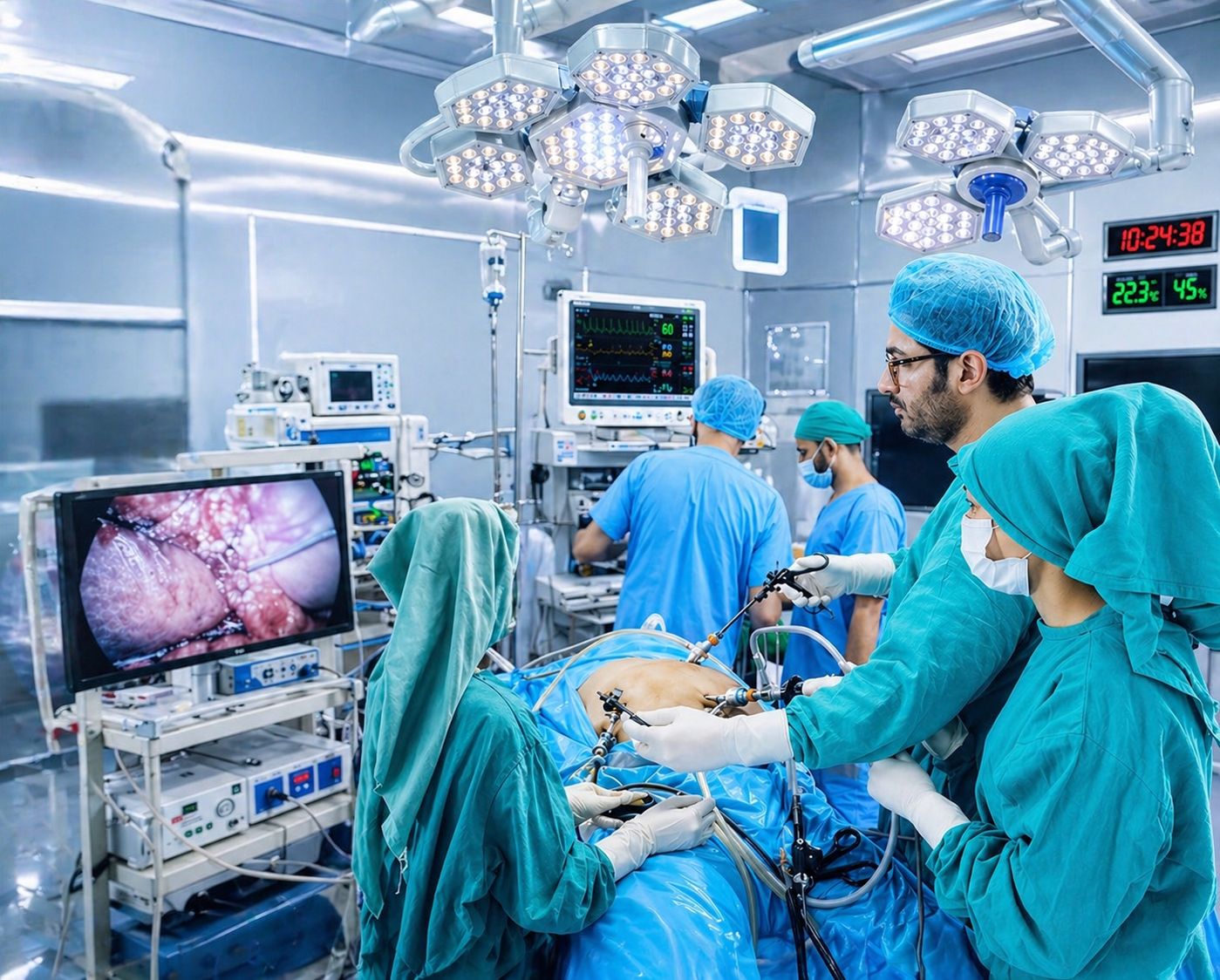
Gallbladder surgery, also known as laparoscopic cholecystectomy, is one of the most commonly performed minimally invasive procedures. Doctors usually recommend it for patients suffering from gallstones, gallbladder inflammation, or repeated gallbladder attacks. Fortunately, modern laparoscopic techniques allow most patients to recover quickly and return to their daily routine within a few weeks.
However, every recovery journey is different. Understanding what happens after surgery helps you heal faster, reduces anxiety, and lowers the risk of complications.
In this guide, you’ll learn what to expect during each stage of gallbladder surgery recovery, along with helpful tips to support a smooth and successful healing process.
What Is Gallbladder Surgery?
The gallbladder is a small organ located beneath the liver. It stores bile, which helps digest fats. When gallstones or other gallbladder conditions cause pain or infection, doctors often recommend removing the gallbladder.
Today, most gallbladder surgeries are performed laparoscopically. During this procedure, the surgeon makes a few small incisions instead of one large cut. As a result, patients experience less pain, minimal scarring, and a faster recovery.
Why Is Recovery Important?
Although laparoscopic surgery is minimally invasive, your body still needs time to heal.
A proper recovery allows you to:
- Heal the surgical wounds
- Prevent infections
- Reduce pain and swelling
- Return safely to normal activities
- Improve overall recovery outcomes
Therefore, following your surgeon’s instructions is essential.
Recovery: The First 24 Hours
Immediately after surgery, you will spend a few hours in the recovery room while the effects of anesthesia wear off.
During this period, you may experience:
- Mild pain around the incision sites
- Shoulder pain caused by the gas used during surgery
- Sleepiness
- Mild nausea
- Sore throat from the breathing tube
These symptoms usually improve within a day.
Most patients begin walking within a few hours because early movement improves blood circulation and reduces the risk of blood clots.
Week 1: Rest and Gentle Activity
The first week focuses on healing.
During this time:
- Walk around your home several times a day.
- Avoid lifting heavy objects.
- Drink plenty of water.
- Eat light and easily digestible meals.
- Take prescribed medications on time.
Although you should rest, complete bed rest is not recommended. Instead, gentle walking promotes faster healing.
Diet During Week 1
Your digestive system needs time to adjust after gallbladder removal.
Choose foods such as:
- Rice
- Oats
- Khichdi
- Boiled vegetables
- Bananas
- Apples
- Low-fat yogurt
- Vegetable soups
At the same time, avoid:
- Fried foods
- Spicy meals
- Fast food
- Alcohol
- Carbonated drinks
Eating small meals several times a day often feels more comfortable than eating large portions.
Week 2: Feeling Better
By the second week, most patients notice a significant improvement.
You can usually:
- Walk longer distances
- Perform light household work
- Shower normally
- Reduce pain medication
However, avoid strenuous exercise and heavy lifting unless your surgeon approves.
In addition, continue following a healthy, low-fat diet to support digestion.
Week 3: Returning to Daily Activities
During the third week, energy levels continue to improve.
Many patients return to:
- Office work
- Driving (after medical approval)
- Light physical activity
- Regular daily routines
Nevertheless, every patient heals differently. Therefore, never compare your recovery with someone else’s.
Week 4: Almost Fully Recovered
Most patients recover well within four weeks after laparoscopic gallbladder surgery.
At this stage, many people can:
- Resume normal exercise
- Lift moderate weights
- Eat a wider variety of foods
- Return to full-time work
However, your doctor may recommend waiting longer before performing heavy physical activities, especially if your job involves manual labor.
Tips for Faster Recovery
Following healthy habits can speed up healing.
Doctors recommend:
- Drink 2–3 litres of water daily.
- Walk every day.
- Eat a balanced diet rich in fruits and vegetables.
- Avoid smoking.
- Limit oily and fatty foods.
- Sleep for at least 7–8 hours.
- Attend all follow-up appointments.
Furthermore, always take medicines exactly as prescribed.
Foods to Eat After Gallbladder Surgery
A healthy diet helps your digestive system adapt after surgery.
Good food choices include:
- Fresh fruits
- Cooked vegetables
- Whole grains
- Oatmeal
- Brown rice
- Lean chicken
- Fish
- Lentils
- Low-fat dairy products
These foods support healing while reducing digestive discomfort.
Foods to Avoid
For the first few weeks, limit foods that may upset digestion.
Avoid:
- Fried foods
- Butter
- Cream
- Processed snacks
- Pizza
- Burgers
- Sugary desserts
- Soft drinks
Gradually reintroduce foods based on your doctor’s advice.
When Should You Contact Your Doctor?
Although recovery is usually smooth, certain symptoms require immediate medical attention.
Contact your surgeon if you notice:
- Fever above 101°F
- Increasing abdominal pain
- Redness or pus around the incision
- Persistent vomiting
- Yellowing of the eyes or skin
- Difficulty breathing
- Heavy bleeding from the wound
Early treatment prevents serious complications.
Can You Live Normally Without a Gallbladder?
Yes. The liver continues producing bile even after the gallbladder is removed.
Instead of storing bile, the liver releases it directly into the small intestine. Consequently, most people return to a completely normal life after recovery.
Initially, some patients notice mild digestive changes. However, these symptoms usually improve within a few weeks or months.
Why Choose Dr. Abdul Qadir Khan?
Dr. Abdul Qadir Khan is an experienced Advanced Laparoscopic & Urology Surgeon with extensive expertise in minimally invasive gallbladder surgery.
Why Patients Trust Dr. Abdul Qadir Khan
- 16+ Years of Surgical Experience
- 10,000+ Successful Surgeries
- Triple Fellowship in Laparoscopy, Urology & Endoscopy
- Advanced Laparoscopic Gallbladder Surgery
- Modern Surgical Technology
- Faster Recovery Protocols
- Personalized Patient Care
At Samra Hospital, Yamuna Vihar, Delhi, every patient receives comprehensive pre-operative counseling, advanced surgical care, and complete post-operative support.
Learn more about laparoscopic surgery by visiting:
Website: https://laparoscopicsurgeondelhi.com/
Follow Dr. Abdul Qadir Khan for expert health tips:
Facebook: https://www.facebook.com/profile.php?id=61583777460918
Instagram: https://www.instagram.com/drabdulqadirkhan_/
Frequently Asked Questions
How long does gallbladder surgery recovery take?
Most patients recover within 2–4 weeks after laparoscopic surgery. However, recovery may take longer in some cases.
When can I return to work?
Many people return to desk jobs within one to two weeks. Jobs involving heavy lifting may require additional recovery time.
Can I eat normally after gallbladder surgery?
Yes. However, you should gradually return to your normal diet while limiting fatty foods during the first few weeks.
Is walking good after gallbladder surgery?
Yes. Walking improves blood circulation, reduces the risk of blood clots, and supports faster recovery.
Conclusion
Gallbladder surgery recovery is usually smooth, especially when performed using minimally invasive laparoscopic techniques. Most patients return to their normal lifestyle within a few weeks by following medical advice, eating a healthy diet, staying active, and attending follow-up appointments.
If you are preparing for gallbladder surgery or recovering after the procedure, consult an experienced laparoscopic surgeon for personalized guidance. Proper post-operative care plays a vital role in achieving the best possible outcome.
Book Your Consultation
Dr. Abdul Qadir Khan
Advanced Laparoscopic & Urology Surgeon
📍 Samra Hospital, Yamuna Vihar, Delhi – 110053
📞 +91 9910011414
🌐 Website: https://laparoscopicsurgeondelhi.com/
📘 Facebook: https://www.facebook.com/profile.php?id=61583777460918
📷 Instagram: https://www.instagram.com/drabdulqadirkhan_/