



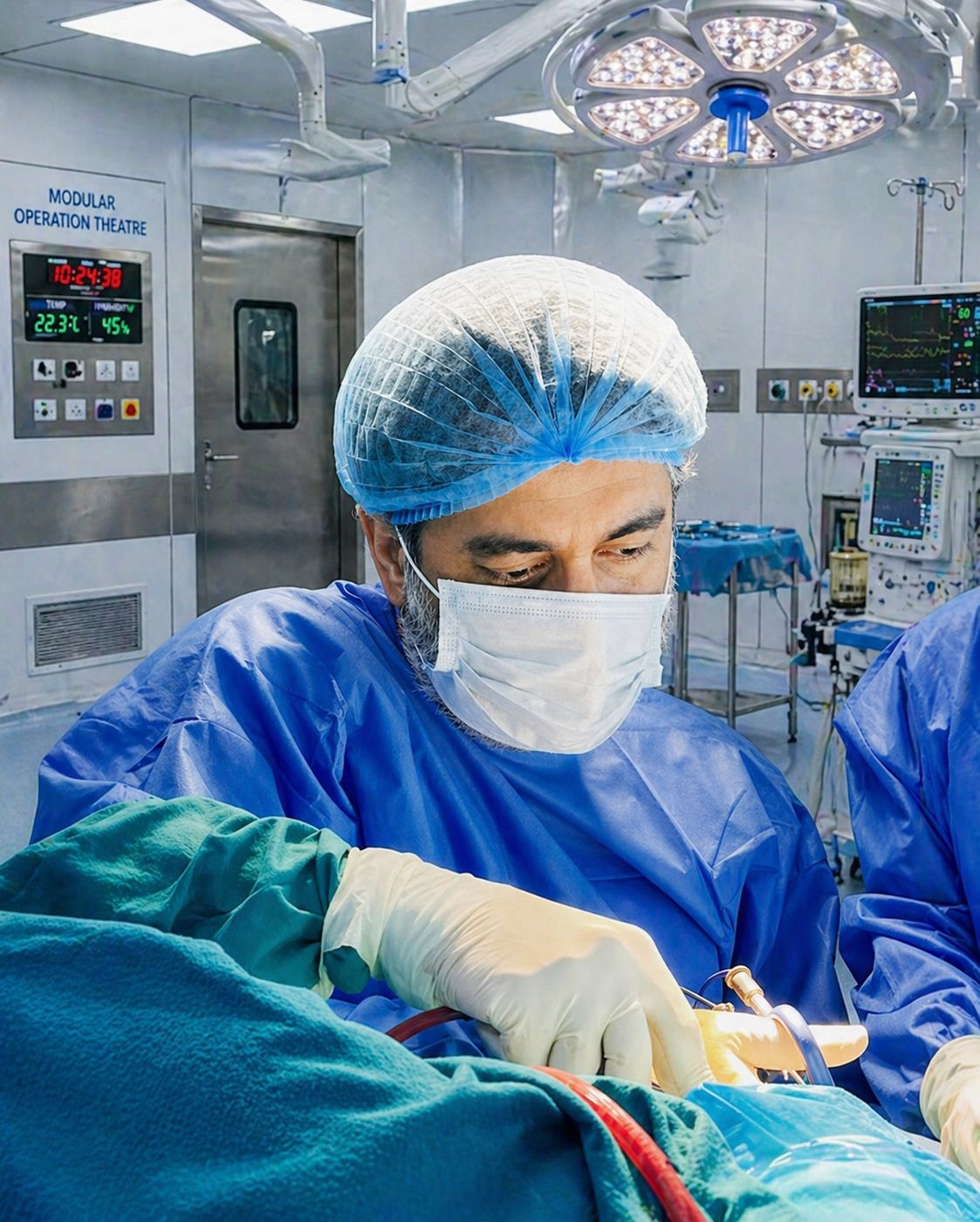
Diet Tips After Bariatric Surgery for Faster Weight Loss Results
Introduction
Bariatric surgery is one of the most effective treatments for severe obesity and obesity-related health conditions. Procedures such as Sleeve Gastrectomy and Gastric Bypass Surgery help patients achieve significant and long-term weight loss.
However, surgery is only the beginning of the journey. Your long-term success depends heavily on adopting healthy eating habits and following a proper post-surgery diet plan.
The right diet not only supports faster weight loss but also helps prevent complications, promotes healing, and ensures your body receives essential nutrients.
In this guide, we’ll discuss the most important diet tips after bariatric surgery and how to maximize your weight loss results safely.
Why Is Diet Important After Bariatric Surgery?
After bariatric surgery, the stomach becomes significantly smaller, limiting the amount of food you can eat at one time.
A carefully planned diet helps:
- Promote healing after surgery
- Prevent nausea and vomiting
- Support healthy weight loss
- Preserve muscle mass
- Avoid nutritional deficiencies
- Improve long-term success
Following your surgeon’s and dietitian’s recommendations is essential.
Understanding the Stages of the Bariatric Diet
Most patients progress through several dietary stages after surgery.
Stage 1: Clear Liquids
Usually followed during the first few days after surgery.
Examples include:
- Water
- Clear soups
- Sugar-free beverages
- Coconut water (if approved)
The goal is to stay hydrated while allowing the stomach to heal.
Stage 2: Full Liquids
Once tolerated, patients may gradually introduce:
- Protein shakes
- Low-fat milk
- Thin yogurt
- Blended soups
Protein intake becomes increasingly important during this stage.
Stage 3: Pureed Foods
Soft, blended foods are introduced.
Examples include:
- Mashed vegetables
- Pureed fruits
- Scrambled eggs
- Cottage cheese (paneer)
- Blended lentils
Eat slowly and stop when feeling full.
Stage 4: Soft Foods
Patients gradually transition to:
- Soft chicken
- Fish
- Cooked vegetables
- Soft fruits
- Well-cooked legumes
Chew thoroughly and eat small portions.
Stage 5: Regular Healthy Foods
Typically introduced after several weeks under medical guidance.
Focus on nutritious, protein-rich meals and avoid unhealthy food choices.
Top Diet Tips for Faster Weight Loss Results
1. Prioritize Protein
Protein is the most important nutrient after bariatric surgery.
Benefits include:
- Preserving muscle mass
- Supporting wound healing
- Improving satiety
- Promoting fat loss
Good protein sources:
- Eggs
- Fish
- Chicken
- Paneer
- Greek yogurt
- Lentils
- Protein supplements (if recommended)
Aim to meet your daily protein target as advised by your healthcare team.
2. Stay Hydrated
Dehydration is one of the most common issues after bariatric surgery.
Tips:
- Drink water throughout the day
- Sip slowly
- Avoid drinking large amounts at once
- Carry a water bottle
Most patients should aim for adequate fluid intake based on medical advice.
3. Eat Small Meals
Because your stomach is smaller, large meals can cause discomfort.
Instead:
- Eat 5–6 small meals daily
- Avoid overeating
- Stop eating when full
Learning portion control is critical for long-term success.
4. Chew Food Thoroughly
Food should be chewed completely before swallowing.
This helps:
- Improve digestion
- Reduce discomfort
- Prevent blockage
Eat slowly and focus on each bite.
5. Avoid Drinking During Meals
Drinking liquids with meals can:
- Fill the stomach quickly
- Reduce nutrient intake
- Cause discomfort
Many bariatric specialists recommend:
- Avoiding fluids 30 minutes before meals
- Avoiding fluids during meals
- Waiting 30 minutes after meals before drinking
6. Limit Sugar Intake
High-sugar foods can:
- Slow weight loss
- Increase calorie intake
- Trigger dumping syndrome (especially after gastric bypass)
Avoid:
- Soft drinks
- Sweets
- Cakes
- Pastries
- Sugary juices
Choose healthier alternatives whenever possible.
7. Avoid High-Fat Foods
Fat-rich foods can be difficult to tolerate after surgery.
Limit:
- Fried foods
- Fast food
- Processed snacks
- High-fat desserts
Focus on lean protein and nutrient-dense foods.
8. Take Prescribed Vitamins and Supplements
Because food intake is reduced, vitamin deficiencies can occur.
Common supplements may include:
- Multivitamins
- Vitamin B12
- Iron
- Calcium
- Vitamin D
Never skip prescribed supplements.
Foods to Include After Bariatric Surgery
Protein-Rich Foods
- Eggs
- Chicken
- Fish
- Paneer
- Greek yogurt
- Tofu
Fruits
Choose soft fruits such as:
- Banana
- Papaya
- Melon
- Apple puree
Vegetables
- Carrots
- Spinach
- Pumpkin
- Beans
- Bottle gourd
Healthy Carbohydrates
- Oats
- Brown rice
- Whole grains
- Quinoa
Foods to Avoid
Avoid foods that may slow progress or cause discomfort.
Sugary Foods
- Candy
- Chocolate
- Ice cream
- Sweetened beverages
Carbonated Drinks
These can cause bloating and stomach discomfort.
Alcohol
Alcohol provides empty calories and may increase nutritional deficiencies.
Processed Foods
- Chips
- Packaged snacks
- Fast food
- Refined flour products
Common Mistakes After Bariatric Surgery
Many patients unknowingly slow their weight loss by:
- Skipping protein
- Drinking sugary beverages
- Eating too quickly
- Ignoring portion control
- Avoiding exercise
- Missing follow-up appointments
Avoiding these habits can improve long-term results.
How Much Weight Can You Lose After Bariatric Surgery?
Weight loss varies depending on:
- Starting weight
- Type of surgery
- Diet adherence
- Exercise habits
Many patients lose a significant percentage of excess body weight during the first 12–18 months.
Consistent lifestyle changes produce the best outcomes.
Why Choose Dr. Abdul Qadir Khan for Bariatric Surgery?
Dr. Abdul Qadir Khan is an experienced minimally invasive surgeon specializing in advanced bariatric and laparoscopic procedures.
Highlights
- 16+ Years of Experience
- 10,000+ Successful Surgeries
- Advanced Bariatric Surgery Techniques
- Personalized Weight Loss Plans
- Comprehensive Follow-Up Care
- Patient-Centered Treatment
At Samra Hospital, Delhi, patients receive complete pre-operative counseling, expert surgical care, and long-term nutritional guidance.
Frequently Asked Questions
How much weight can I lose after bariatric surgery?
Most patients lose a significant percentage of excess body weight during the first year after surgery when they follow dietary and lifestyle recommendations.
When can I eat normal food after bariatric surgery?
The transition to regular foods usually occurs gradually over several weeks, depending on individual recovery and medical advice.
Can I drink tea or coffee after bariatric surgery?
Yes, in moderation and only after approval from your healthcare team. Avoid sugary and high-calorie additions.
What foods should I avoid after bariatric surgery?
Sugary foods, carbonated drinks, fried foods, processed snacks, and alcohol should generally be limited or avoided.
Conclusion
Bariatric surgery can dramatically improve health and quality of life, but long-term success depends on maintaining healthy eating habits. Prioritizing protein, staying hydrated, avoiding sugary foods, and following your surgeon’s dietary guidelines can help you achieve faster and more sustainable weight loss results.
A balanced diet combined with regular physical activity and ongoing medical follow-up is the key to maximizing the benefits of bariatric surgery.
Book Your Consultation
Dr. Abdul Qadir Khan
Advanced Laparoscopic & Urology Surgeon
📍 Samra Hospital, Yamuna Vihar, Delhi – 110053
📞 +91 9910011414