



What Are the Benefits of Minimally Invasive Laparoscopic Surgery?
By Dr. Abdul Qadir Khan – Advanced Laparoscopic & Urology Surgeon, Delhi
Introduction
Over the last two decades, minimally invasive laparoscopic surgery has transformed the way many surgical procedures are performed. Commonly known as keyhole surgery, laparoscopic surgery allows surgeons to treat various abdominal and pelvic conditions through small incisions instead of large cuts.
Whether it’s gallbladder stones, appendicitis, hernia, ovarian cysts, or other abdominal conditions, laparoscopic surgery offers significant advantages over traditional open surgery. At Samra Hospital, Delhi, Dr. Abdul Qadir Khan specializes in advanced laparoscopic procedures that help patients recover faster with less pain and better outcomes.
What Is Laparoscopic Surgery?
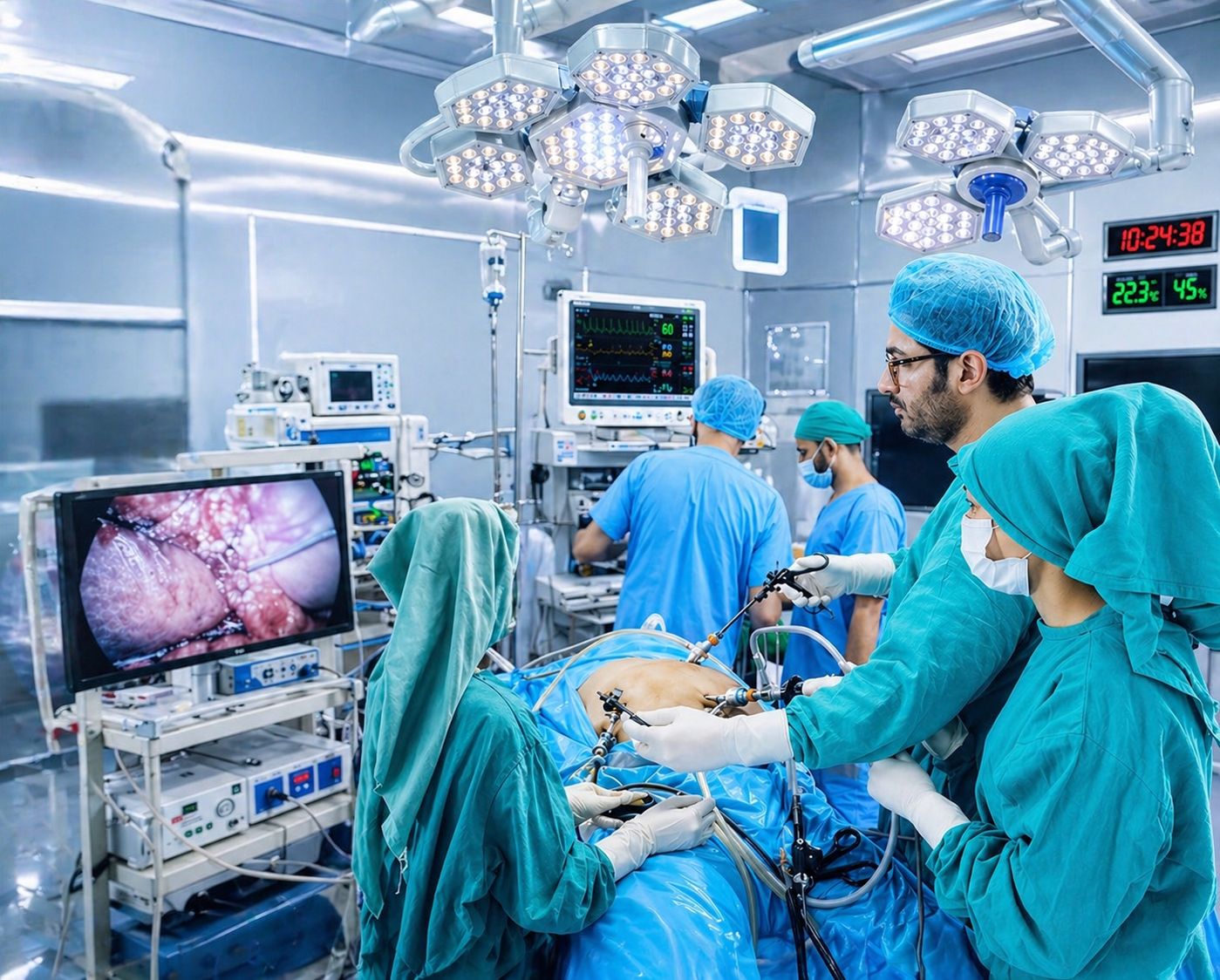
Laparoscopic surgery is a modern surgical technique in which a surgeon makes small incisions and inserts a thin camera called a laparoscope into the body. The camera displays high-definition images on a monitor, allowing the surgeon to perform the procedure with precision.
This technique is commonly used for:
- Gallbladder Removal (Laparoscopic Cholecystectomy)
- Appendix Removal (Laparoscopic Appendectomy)
- Hernia Repair
- Ovarian Cyst Removal
- Hysterectomy
- Diagnostic Procedures
- Various Urological Surgeries
Top Benefits of Minimally Invasive Laparoscopic Surgery
1. Smaller Incisions
One of the biggest advantages of laparoscopic surgery is the use of tiny incisions, usually ranging from 0.5 to 1 cm.
Benefits include:
- Minimal tissue damage
- Reduced surgical trauma
- Better cosmetic results
2. Less Pain After Surgery
Because the incisions are smaller, patients typically experience significantly less pain compared to traditional open surgery.
This means:
- Reduced need for pain medications
- Greater comfort during recovery
- Faster return to daily activities
3. Faster Recovery Time
Patients undergoing laparoscopic procedures often recover much quicker than those having open surgery.
Most patients can:
- Walk within hours after surgery
- Resume normal activities sooner
- Return to work faster
4. Shorter Hospital Stay
Many laparoscopic procedures require only a short hospital stay.
In some cases, patients may even be discharged on the same day, depending on the surgery and overall health condition.
5. Minimal Scarring
Since only small incisions are made, visible scars are significantly reduced.
This is especially beneficial for younger patients and individuals concerned about cosmetic appearance.
6. Lower Risk of Infection
Smaller wounds reduce exposure of internal organs to external contaminants, decreasing the risk of post-operative infections.
Benefits include:
- Faster wound healing
- Lower complication rates
- Better patient outcomes
7. Reduced Blood Loss
Laparoscopic surgery generally results in less bleeding during the procedure.
Advantages include:
- Lower risk of blood transfusion
- Safer surgery
- Better recovery
8. Improved Surgical Precision
Modern laparoscopic cameras provide magnified views of internal structures.
This helps surgeons:
- Operate with greater accuracy
- Preserve healthy tissues
- Achieve better surgical outcomes
9. Lower Risk of Post-Surgical Complications
Patients often experience fewer complications such as:
- Wound infections
- Hernias at incision sites
- Excessive scarring
- Delayed healing
10. Better Quality of Life After Surgery
Because recovery is faster and discomfort is reduced, patients can return to normal life sooner and enjoy improved overall well-being.
Conditions Commonly Treated with Laparoscopic Surgery
Dr. Abdul Qadir Khan routinely performs laparoscopic procedures for:
Gallbladder Stones
Laparoscopic cholecystectomy is considered the gold standard treatment for symptomatic gallstones.
Appendicitis
Emergency laparoscopic appendectomy offers quick recovery and minimal scarring.
Hernia
Laparoscopic hernia repair provides durable results with less postoperative pain.
Ovarian Cysts
Many ovarian cysts can be safely removed through minimally invasive techniques.
Gynecological Conditions
Hysterectomy and other gynecological surgeries are frequently performed laparoscopically.
Who Is a Suitable Candidate?
Most patients with abdominal or pelvic surgical conditions can benefit from laparoscopic surgery. However, suitability depends on:
- Medical history
- Overall health
- Previous surgeries
- Type of condition being treated
A detailed consultation with an experienced laparoscopic surgeon is essential before deciding on surgery.
Why Choose Dr. Abdul Qadir Khan for Laparoscopic Surgery in Delhi?
With over 16 years of experience and 10,000+ successful surgeries, Dr. Abdul Qadir Khan is recognized for advanced minimally invasive surgical techniques and patient-focused care.
Highlights
- Triple Fellowship in Laparoscopy, Urology & Endoscopy
- 10,000+ Successful Surgeries
- Advanced Minimally Invasive Techniques
- Faster Recovery Protocols
- Comprehensive Surgical Care
- Trusted by Thousands of Patients
Conclusion
Minimally invasive laparoscopic surgery has revolutionized surgical treatment by offering smaller incisions, less pain, quicker recovery, and better cosmetic outcomes. For patients seeking safe and effective surgical care, laparoscopic surgery is often the preferred choice.
If you are suffering from gallstones, appendicitis, hernia, or other abdominal conditions, consult Dr. Abdul Qadir Khan to determine whether laparoscopic surgery is the right option for you.
Book an Appointment
Dr. Abdul Qadir Khan
Advanced Laparoscopic & Urology Surgeon
📍 Samra Hospital, Yamuna Vihar, Delhi – 110053
📞 +91 9910011414
📧 info@laparoscopicsurgeondelhi.com